Top 10 Most Effective Team Building Activities
In today's rapidly evolving workplace, building strong team connections has never been more critical. With remote teams, hybrid work environments, and increasingly diverse workforces, companies are discovering that traditional team building approaches need a complete overhaul. The good news? Modern team building activities have evolved far beyond awkward trust falls and forced icebreakers.
Research shows that 85% of companies now invest in team building programs annually, and for good reason. Organizations that prioritize team building see measurable improvements in communication, collaboration, and employee satisfaction. But with countless options available, how do you choose activities that actually work?
This comprehensive guide presents the top 10 most effective team building activities for 2025, each selected based on engagement levels, measurable outcomes, and adaptability to different team sizes and environments. Whether you're managing remote teams, planning your next company retreat, or looking to strengthen cross-functional collaboration, these proven activities will help transform your team dynamics.
What Are Team Building Activities
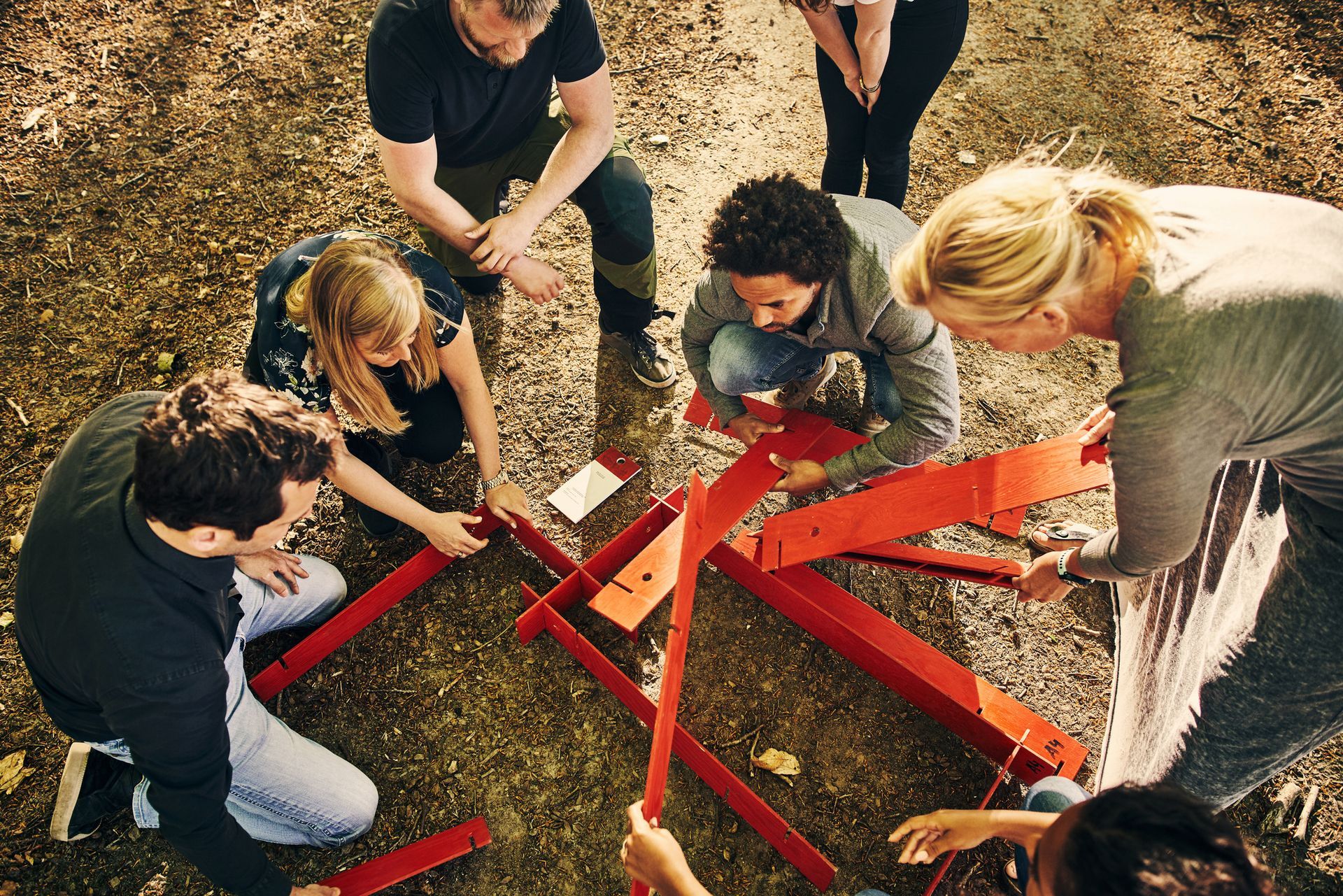
Team building activities are structured group exercises designed to improve workplace collaboration through shared experiences and challenges. These purposeful interventions go far beyond simple social gatherings—they're strategic tools that address specific workplace dynamics and communication challenges.
The concept of formal team building emerged in the 1960s corporate world, when organizational psychologists began recognizing the connection between interpersonal relationships and workplace productivity. Early approaches focused heavily on trust exercises and encounter group techniques, often leaving participants feeling uncomfortable or skeptical about the process.
Modern team building has undergone a dramatic transformation. Today's effective team building activities prioritize engagement, practical skill development, and measurable outcomes. Instead of forcing artificial vulnerability, contemporary approaches create natural opportunities for team members to discover each other's strengths, communicate more effectively, and solve problems together.
The evolution reflects a deeper understanding of team dynamics. Research demonstrates that team building interventions indeed improve cohesion in teams, with the most significant improvements observed in attraction to the group-task, followed by group integration around tasks and social interactions. This data-driven approach ensures that companies invest their time and resources in activities that deliver genuine results rather than temporary feel-good moments.

Core Mission of Effective Team Building
Successful team building activities serve four fundamental purposes that directly impact organizational performance and employee satisfaction.
Build Genuine Connections and Trust Between Team Members
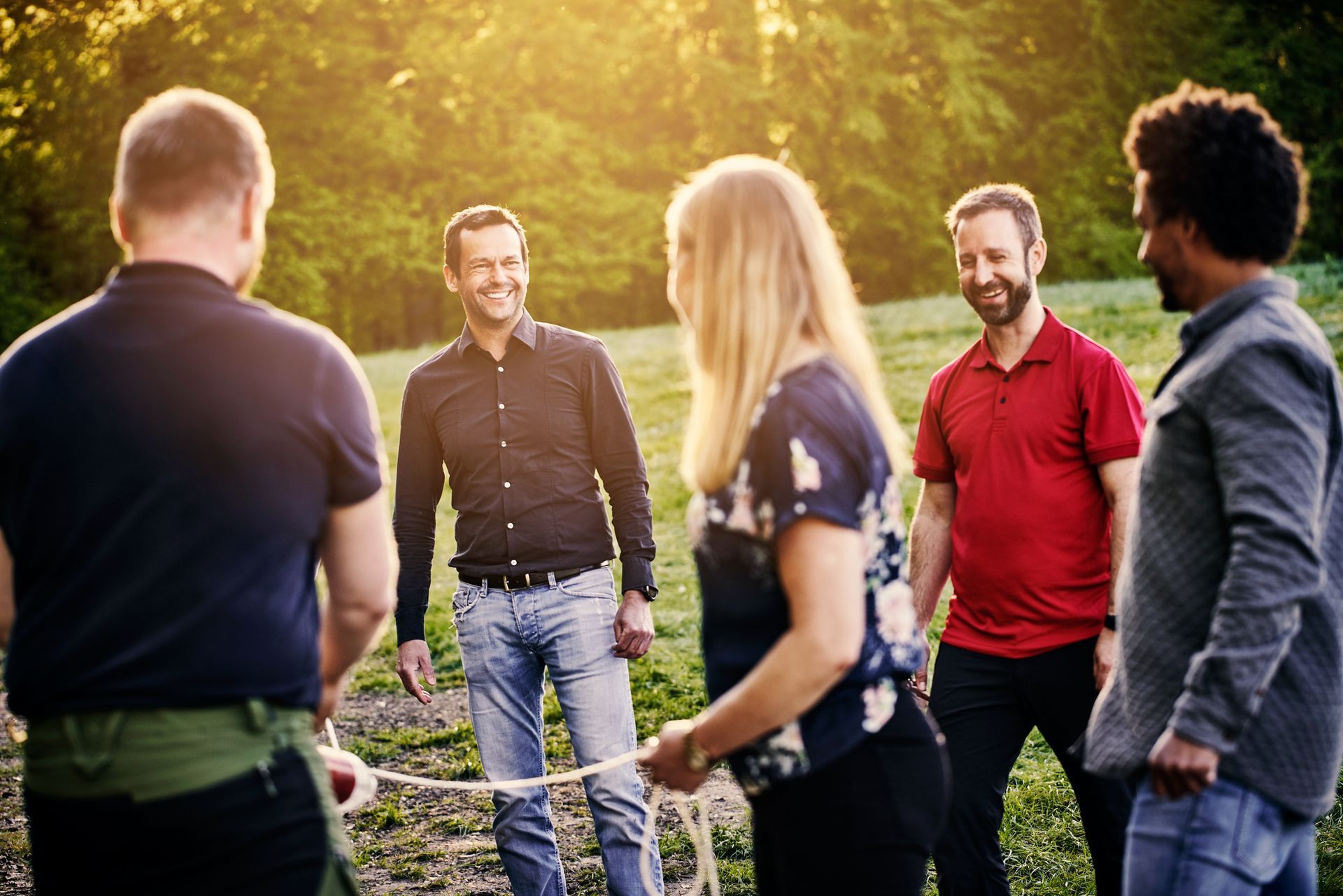
Trust forms the foundation of every high-performing team. Effective team building activities create safe environments where team members can reveal authentic aspects of their personalities and working styles. When participants tackle challenges together, they develop deeper appreciation for each other's strengths and learn to rely on diverse perspectives.
This trust translates directly into workplace scenarios where team members feel comfortable sharing ideas, admitting mistakes, and asking for help. The connections formed during team building activities extend far beyond the exercises themselves, creating networks of mutual support that strengthen over time.
Improve Communication Skills and Reduce Workplace Silos
Many workplace conflicts and inefficiencies stem from poor communication or departmental isolation. Strategic team building exercises force participants to communicate clearly under pressure, practice active listening, and find common ground across different perspectives. These activities break down artificial barriers between departments, roles, and hierarchical levels, creating networks of understanding that persist long after the exercise ends.
When team members learn to communicate effectively during structured activities, they naturally apply these enhanced skills to everyday workplace interactions. The result is faster decision-making, fewer misunderstandings, and more efficient collaboration across organizational boundaries.
Create Inclusive Environments Where Every Team Member Feels Valued
The best team building activities ensure that introverts and extroverts, new employees and veterans, and people with different cultural backgrounds all have opportunities to contribute meaningfully. Well-designed exercises reveal hidden talents, give quiet voices platforms to be heard, and demonstrate that diverse approaches to problem-solving strengthen rather than complicate team efforts.
Creating inclusive experiences requires thoughtful activity selection and facilitation that recognizes different comfort levels and participation styles. When every team member feels their contributions matter, engagement and innovation naturally increase throughout the organization.
Develop Problem-Solving Abilities and Creative Thinking Skills
Modern workplaces demand rapid adaptation and innovative solutions to complex challenges. Effective team building activities simulate these pressures in controlled environments, allowing teams to practice collaborative problem-solving techniques. Participants learn to generate ideas quickly, build on each other's suggestions, and iterate solutions based on real-time feedback—skills that translate directly to workplace projects and strategic initiatives.

The Top 10 Most Effective Team Building Activities
The following activities have been selected based on their proven ability to engage participants, produce measurable outcomes, and adapt to various team sizes, environments, and organizational goals. Each activity includes specific guidance on participant counts, duration, and key benefits to help you choose the best fit for your team's needs.
1. Escape Room Challenges
Participants: 6-8 per team | Duration: 60-90 minutes | Environment: Physical or virtual
Escape room challenges represent the perfect fusion of problem solving skills and communication under pressure. Teams must work together to solve interconnected puzzles, decode clues, and complete challenges within strict time limits. This creates an environment where every team member's unique perspective becomes valuable, and communication skills directly impact success.
The beauty of escape room activities lies in their natural revelation of team dynamics. Leaders emerge organically, team members learn to delegate tasks based on individual strengths, and groups discover how to communicate effectively when stakes are high. Virtual escape room options make this activity accessible to remote teams, maintaining the collaborative intensity through digital platforms.
Success in escape rooms requires the same skills that drive workplace success: strategic thinking, clear communication, creative problem solving, and the ability to remain calm under pressure. Teams consistently report improved collaboration and stronger relationships following these experiences, making escape rooms one of the most effective team building activities available.
2. Cooking Team Challenges
Participants: 4-6 per team | Duration: 2-3 hours | Environment: Commercial kitchens or adapted spaces
Cooking challenges bring teams together through the universal language of food creation. Whether competing to prepare specific dishes or collaborating on elaborate meals, these activities develop coordination, creative collaboration, and project management skills in uniquely enjoyable ways.
The magic happens in the coordination required to successfully execute a cooking project. Team members must divide responsibilities, manage timing across multiple tasks, communicate constantly about progress and challenges, and adapt quickly when things don't go according to plan. These mirror exactly the dynamics required for successful workplace projects.
Cooking activities prove remarkably adaptable to dietary restrictions, cultural preferences, and skill levels. Teams can focus on simple dishes that emphasize collaboration over culinary expertise, or tackle complex challenges that reward creative problem solving. The shared meal at the conclusion creates lasting memories and ongoing workplace traditions that strengthen team bonds long after the activity ends.
3. Scavenger Hunt Adventures
Participants: 5-10 per team | Duration: 45-90 minutes | Environment: Office, outdoor, or virtual
Scavenger hunts encourage strategic thinking and teamwork through competitive exploration and problem-solving. Modern versions extend far beyond simple item collection, incorporating puzzles, photo challenges, and task-based objectives that require diverse skills and collaborative effort.
The most effective scavenger hunts include customizable themes that connect to company history, local landmarks, or industry-specific knowledge. This relevance makes the experience more engaging while reinforcing organizational culture and shared knowledge. Teams must strategize about task allocation, time management, and resource optimization—skills that translate directly to workplace project management.
Virtual scavenger hunts adapt perfectly to remote teams, using video conferencing platforms and digital tools to create collaborative experiences across geographic boundaries. Whether conducted in person or virtually, these activities reveal natural leadership qualities, demonstrate individual strengths, and create opportunities for team members to showcase knowledge and skills that might not emerge in typical workplace interactions.
4. Volunteer Service Projects
Participants: Unlimited | Duration: 3-8 hours | Environment: Community locations
Volunteer service projects build empathy and shared purpose while making genuine positive social impact. These activities connect teams through meaningful work that extends beyond organizational boundaries, creating powerful shared experiences that strengthen company culture and individual relationships.
Options include environmental cleanup projects, food bank service, community building initiatives, or partnerships with local nonprofit organizations. The key is selecting projects that allow team members to work together toward clear, achievable goals while contributing to causes that resonate with organizational values.
The collaborative nature of service work reveals different aspects of team members' personalities and capabilities. Participants often discover hidden talents, develop appreciation for diverse working styles, and build lasting connections through shared commitment to helping others. These experiences create emotional bonds that translate into stronger workplace relationships and increased loyalty to both team and organization.
5. Innovation Hackathons
Participants: 4-8 per team | Duration: 4-24 hours | Environment: Collaborative workspaces
Innovation hackathons promote creative problem solving through intensive collaborative sessions focused on developing solutions to real business challenges or exploring creative projects. These time-limited events push teams to think quickly, iterate rapidly, and build on each other's ideas to achieve ambitious goals.
Teams collaborate on everything from improving existing processes to developing entirely new products or services. The compressed timeline forces participants to communicate efficiently, make decisions quickly, and leverage individual expertise for collective success. Cross-functional collaboration naturally emerges as teams discover how different perspectives and skill sets contribute to innovative solutions.
The competitive element and tangible outcomes make hackathons particularly engaging for teams that appreciate measurable results. Whether developing prototypes, creating presentations, or building functional solutions, participants experience the satisfaction of turning ideas into reality through collaborative effort. These events often generate genuine innovations that benefit the organization while strengthening team connections.
6. Outdoor Adventure Activities
Participants: 8-15 per team | Duration: 4-8 hours | Environment: Adventure centers or natural settings
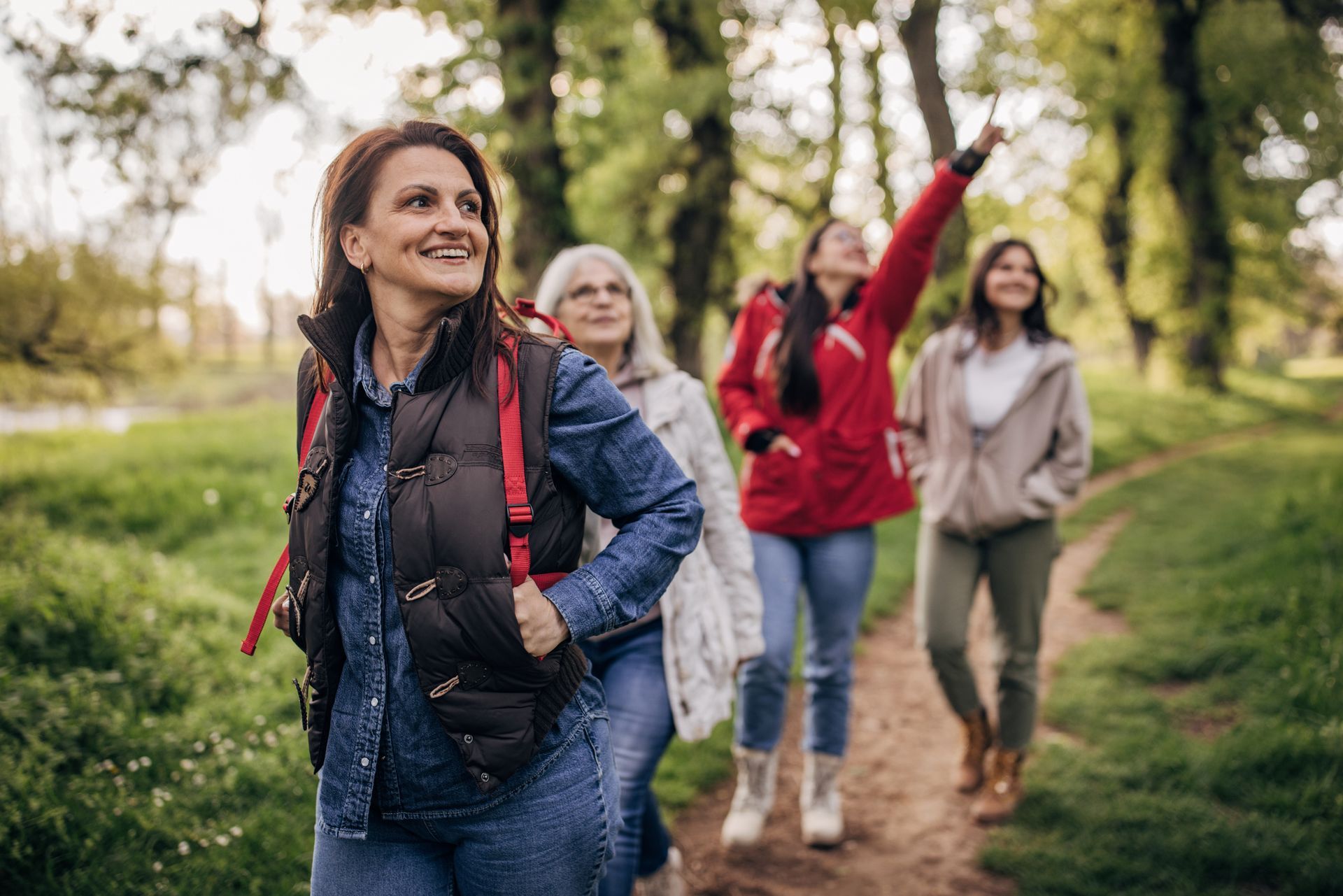
Outdoor adventure activities build trust through shared physical challenges that require mutual support and encouragement. Options include rock climbing, hiking expeditions, canoeing adventures, or ropes courses that push participants outside their comfort zones while maintaining appropriate safety standards.
These experiences reveal leadership qualities and encourage risk-taking in safe environment where team members must rely on each other for success and safety. The physical nature of outdoor challenges creates unique bonding opportunities as participants encourage each other, celebrate achievements, and overcome fears together.
Outdoor adventures work particularly well for teams seeking to break away from traditional office environments and experience something completely different together. The shared memories of conquering challenges and supporting each other through difficult moments create lasting connections that enhance workplace collaboration and mutual respect.
7. Improv Theater Workshops
Participants: 8-20 per team | Duration: 2-3 hours | Environment: Studios or adapted meeting spaces
Improv theater workshops improve communication and adaptability through exercises that require participants to think quickly, listen actively, and build on each other's ideas. The fundamental improv principle of "yes, and" teaches teams to accept and expand on suggestions rather than immediately critiquing or rejecting new ideas.
These workshops build confidence in public speaking and creative thinking while creating psychologically safe environments for experimentation and failure. Participants learn to communicate more effectively under pressure, adapt quickly to changing circumstances, and support their teammates' contributions even when scenarios become unexpected or challenging.
The skills developed in improv sessions translate directly to workplace scenarios where teams must respond quickly to changing priorities, build consensus around new ideas, and maintain positive working relationships even when facing uncertainty or stress. Teams consistently report improved communication and increased comfort with ambiguity following improv experiences.
8. Strategy Board Game Tournaments
Participants: 4-6 per game | Duration: 1-2 hours | Environment: Conference rooms or casual settings
Strategy board game tournaments develop strategic thinking through engaging competition that accommodates different personality types and working styles. Modern strategy games require players to analyze complex situations, anticipate opponents' moves, and adapt tactics based on changing circumstances.
These activities prove particularly suitable for teams that include introverts who might feel overwhelmed by high-energy physical challenges. Board games create structured interaction opportunities where quiet team members can demonstrate strategic thinking and leadership capabilities that might not emerge in other settings.
Options range from classic strategy games to modern cooperative games where teams work together against the game system rather than competing against each other. Custom company-themed games can incorporate industry knowledge or organizational challenges, making the experience more relevant while maintaining the strategic thinking and collaborative elements that make board games effective team building tools.
9. Virtual Reality Team Missions
Participants: 2-8 per team | Duration: 30-60 minutes | Environment: VR centers or mobile setups
Virtual reality team missions create immersive collaborative experiences where teams work together in virtual environments to solve puzzles, complete challenges, or achieve shared objectives. These cutting-edge activities appeal particularly to tech-savvy teams while providing unique shared experiences that would be impossible in physical environments.
VR missions require clear communication and coordination as team members navigate virtual worlds together, often with different roles or perspectives that must be integrated for success. The immersive nature creates strong shared memories while the collaborative requirements develop teamwork skills in novel contexts.
The technology adds an element of excitement and novelty that engages participants who might be less enthusiastic about traditional team building approaches. As VR technology becomes more accessible, these activities offer forward-thinking organizations opportunities to demonstrate innovation while building stronger team connections.
10. Marshmallow Tower Challenge
Participants: 4-5 per team | Duration: 20-30 minutes | Environment: Any meeting space
The marshmallow tower challenge tests rapid prototyping and iteration skills through a deceptively simple task: teams must build the tallest possible structure using only spaghetti noodles, tape, string, and a marshmallow that must sit at the top. This quick, inexpensive activity reveals team dynamics and problem-solving approaches with remarkable clarity.
Teams quickly discover that successful approaches require experimentation, iteration, and willingness to rebuild when initial designs fail. The time pressure forces rapid decision-making and clear communication, while the physical nature of the challenge makes theoretical discussions immediately practical.
The activity's simplicity makes it perfect for quick team building sessions or as components of larger development programs. Despite its brief duration, teams consistently gain insights about their collaborative processes, individual working styles, and approaches to creative problem solving that inform future project work.

Optimal Settings and Environments
Successful team building activities require thoughtful consideration of physical and virtual environments that support collaboration while accommodating diverse team needs and logistical constraints. The right setting can dramatically enhance engagement and outcomes, while poor venue choices can undermine even the best-designed activities.
Conference rooms and meeting spaces work well for discussion-based activities, strategy games, and exercises that require minimal physical movement. The key is arranging furniture to promote interaction rather than maintaining formal presentation setups. Round tables or clustered seating arrangements encourage participation from all team members and support the collaborative spirit essential for effective team building. Modern conference rooms with video conferencing capabilities can seamlessly integrate remote team members into primarily in-person activities.
Outdoor venues and adventure centers provide natural settings for physical challenges and activities that benefit from fresh air and open spaces. Parks, adventure centers, and retreat locations offer accessible venues for scavenger hunts, volunteer projects, and outdoor games. Professional adventure centers provide specialized equipment and safety support for ropes courses and climbing activities. When selecting outdoor venues, consider accessibility for all team members, weather contingency plans, and transportation logistics.
Virtual platforms and digital environments enable meaningful team building experiences for geographically distributed teams. Remote teams require specialized platforms that support collaborative interaction beyond simple video conferencing. Virtual escape rooms, online gaming platforms, and collaborative software tools make it possible to create engaging experiences across time zones and locations. The most effective virtual team building activities combine video interaction with shared digital workspaces where participants can collaborate in real-time.
Adapted company facilities like break rooms, common areas, and unused office spaces can be transformed into effective team building venues with creative planning. This approach reduces costs while demonstrating that meaningful collaboration can happen anywhere teams commit to working together constructively.
Benefits and Measurable Outcomes
Organizations that invest in effective team building activities consistently observe quantifiable improvements across multiple performance metrics that directly impact business results. Understanding these benefits helps justify investments and maintain commitment to ongoing team development programs.
Teams that participate in regular team building activities demonstrate improved communication leading to 25% increases in project efficiency. This improvement stems from stronger interpersonal relationships, clearer understanding of individual working styles, and reduced time spent resolving misunderstandings or conflicts. Effective communication also accelerates decision-making processes as team members develop trust in each other's expertise and judgment.
Enhanced trust results in faster conflict resolution and more effective decision-making processes. Teams with strong interpersonal connections address disagreements more directly and constructively, preventing small issues from escalating into major disruptions. Trust also enables more efficient delegation and project management, as team leaders gain confidence in team members' capabilities and commitment to shared goals.
Organizations with comprehensive team building programs report 19% higher retention rates compared to companies that don't prioritize team development. Employee satisfaction increases when people feel connected to their colleagues and confident in their ability to collaborate effectively. Strong team connections also improve job satisfaction by creating supportive work environments where individuals feel valued for their unique contributions.
Teams that regularly practice collaborative problem solving develop better capabilities for integrating diverse perspectives and generating innovative solutions to complex challenges. The creative thinking skills developed through team building activities transfer directly to workplace situations requiring adaptation and innovation. Consistent team building efforts support organizational culture development by reinforcing shared values, improving cross-departmental relationships, and creating positive shared experiences that employees associate with their workplace.
Ideal Applications and Target Teams
Different types of team building activities serve specific organizational needs and team development objectives, making strategic selection crucial for maximizing impact and resource investment. Understanding which activities work best for different situations helps organizations allocate resources effectively and achieve desired outcomes.
Team building activities accelerate new employee integration by creating informal opportunities for relationship building and cultural understanding. New team members gain insights into company values, working styles, and interpersonal dynamics that would take months to develop through normal workplace interactions. Activities that pair new employees with established team members create mentoring relationships while demonstrating organizational commitment to employee success.
Teams comprised of members from different departments or specializations benefit particularly from activities that reveal diverse expertise and establish communication protocols for collaborative work. Problem-solving activities help teams understand how different functional perspectives contribute to comprehensive solutions. Cross-functional projects often face initial communication challenges that strategic team building can address effectively.
Virtual team building activities become essential for remote teams seeking to develop the personal connections that naturally emerge in traditional office environments. Regular virtual team building sessions maintain relationship strength across geographic boundaries and time zones. Hybrid teams face unique challenges requiring activities that create equitable participation opportunities for both in-person and remote team members.
Team building activities provide safe environments for emerging leaders to practice delegation, communication, and decision-making skills while receiving feedback from peers and supervisors. Leadership rotation exercises allow multiple team members to experience leadership responsibilities and develop capabilities that benefit the entire organization.
Getting Started with Your Team Building Program
Successful team building implementation requires thoughtful assessment, strategic planning, and commitment to following through on insights gained during activities. The difference between successful programs and wasted investments often comes down to preparation and follow-through rather than activity selection alone.
Begin by identifying your team's primary collaboration challenges through surveys, observation, or direct feedback sessions. Different teams require different interventions—new teams need relationship building, established teams might need communication improvement, and high-performing teams often benefit from creative challenge activities. Consider team size, geographic distribution, personality mix, and current relationship dynamics when selecting activities.
Choose one activity from the top 10 list based on your team's size, goals, and comfort level rather than attempting comprehensive programs immediately. Single successful experiences build enthusiasm for future team building investments and demonstrate concrete value to skeptical participants. Monitor reactions and gather feedback to refine your approach and select subsequent activities that build on initial successes.
Professional team building facilitators bring expertise in group dynamics, activity management, and conflict resolution that maximizes activity effectiveness while ensuring safe, inclusive experiences for all participants. Experienced facilitators can adapt activities in real-time based on team responses and help process insights that might not emerge through self-facilitated sessions.
The most critical phase of team building occurs after activities conclude, when teams must translate insights into changed workplace behaviors and improved collaboration practices. Schedule follow-up discussions to identify specific commitments and establish accountability for implementing lessons learned. Regular check-ins help sustain momentum and ensure that team building investments produce lasting improvements rather than temporary enthusiasm.
Transform your workplace relationships and unlock your team's full potential by starting with one carefully selected activity that addresses your most pressing collaboration challenges. The investment in team building creates returns that multiply across every project, deadline, and challenge your team will face together.
More Articles from Geneva Point Center