Strategy in the Pines: Why Nature-Based Settings Outperform Hotel Ballrooms for Nonprofit Retreats
Introduction: The Retreat That Looked Good on Paper
You've done this before. Booked the hotel conference center with the promising brochure. Reserved the ballroom with "ample natural light" that turned out to be two narrow windows and a chandelier designed in 1987. Committed to two full days of strategic planning where your team would "reconnect with the mission" and "envision the future."
Instead, you got fluorescent-induced headaches, catered sandwiches that tasted like the cellophane they came in, and breakout sessions that felt uncomfortably similar to the Zoom calls everyone was supposedly escaping.
Here's what most nonprofit leaders don't realize until it's too late: the environment doesn't just host your retreat—it actively shapes your outcomes. And while hotel ballrooms promise convenience, they deliver the opposite of what mission-driven organizations actually need: space to think differently, permission to slow down, and an atmosphere that reconnects people with purpose rather than PowerPoint.
If you're planning your organization's next strategic offsite, annual board retreat, or staff development gathering, it's time to reconsider where transformation actually happens. The answer increasingly lies not in climate-controlled conference rooms, but in the creative catalyst of nature-based settings—specifically, nonprofit retreat centers in New England designed for exactly this kind of work.
The Hidden Cost of Ballroom Planning
Zoom Fatigue Didn't End When We Returned to In-Person
The term "Zoom fatigue" entered our vocabulary during the pandemic, describing the cognitive overload of back-to-back video meetings in unchanging environments. But here's the uncomfortable truth: returning to hotel conference centers hasn't solved the problem. We've simply traded digital boxes for physical ones.
Research from environmental psychology reveals that monotonous environments—whether virtual or carpeted—suppress the brain's natural capacity for creative problem-solving and strategic thinking. When your annual planning retreat takes place in the same type of space where you attend vendor conferences and professional development webinars, your brain processes it the same way: transactional, routine, forgettable.
Consider these documented impacts of sterile meeting environments: Cognitive narrowing happens when artificial lighting and windowless spaces reduce peripheral awareness and limit creative thinking. Attention fatigue occurs as unchanging visual stimuli deplete mental resources needed for complex decision-making. Emotional flattening results from lack of sensory variety that diminishes engagement and authentic connection. Physical stagnation follows from sitting in identical chairs around identical tables, reinforcing passive participation.
Why Creativity and Connection Suffer Indoors
Hotel ballrooms are designed for efficiency, not transformation. The dividable walls, stackable chairs, and interchangeable aesthetics serve a purpose—they allow venues to host wedding receptions on Saturday and your nonprofit's future-visioning on Monday. But this very flexibility creates a psychological void.
When your strategic planning happens in a space with no distinct character, no connection to place, and no invitation to slow down, you're asking your team to produce extraordinary outcomes in utterly ordinary conditions. The dissonance is real, and it shows up in your results: retreats that feel like elongated staff meetings, strategic plans that recycle last year's priorities with minor adjustments, teams that return to the office no more aligned than when they left, and board members who check email during "visioning" exercises because nothing about the environment demands their full presence.
Nature as a Catalyst for Strategic Clarity
What Environmental Psychology Tells Us
Decades of research confirm what nonprofit leaders are increasingly experiencing firsthand: natural settings fundamentally change how we think, collaborate, and solve problems.
Attention Restoration Theory, developed by environmental psychologists Rachel and Stephen Kaplan, demonstrates that natural environments allow the brain's directed attention systems to rest and recover. Unlike urban or indoor settings that demand constant vigilance—navigating traffic, filtering noise, processing artificial stimuli—nature provides "soft fascination" through engaging elements like rustling leaves, dappled sunlight, or distant bird calls that hold attention effortlessly.
This neurological shift creates ideal conditions for strategic thinking. With reduced cognitive load, executive function improves—the mental capacity needed for long-term planning, ethical reasoning, and systems thinking. Creative problem-solving flourishes as nature exposure increases divergent thinking by approximately 50 percent compared to urban settings, according to research from the University of Utah.
Authentic connection deepens because natural settings reduce social performance anxiety and status consciousness, allowing for more honest conversation and collaborative decision-making. Stress reduction occurs measurably, with cortisol levels dropping within 20 minutes of forest exposure, creating physiological conditions for clearer judgment.
The Geneva Point Center Difference
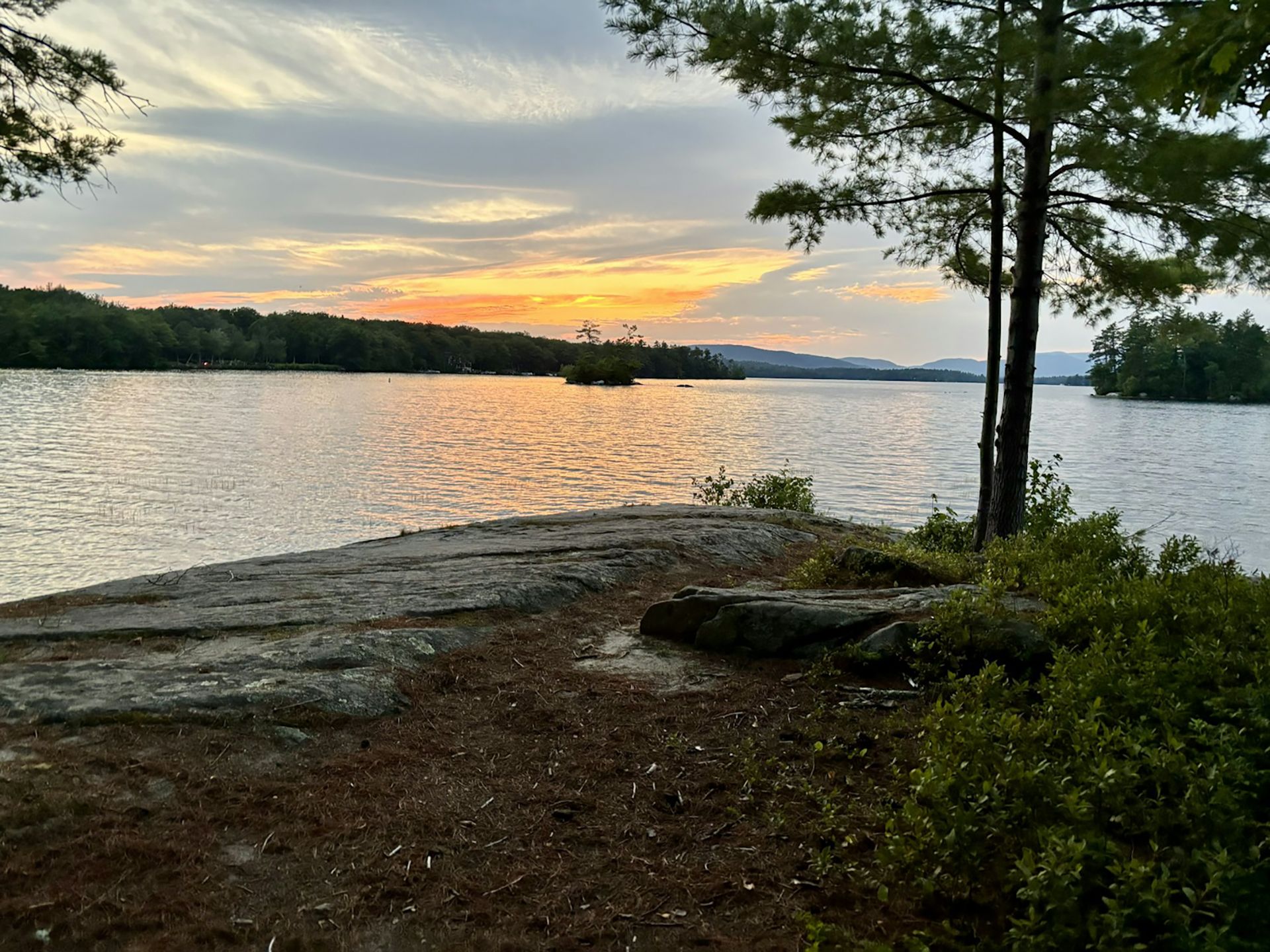
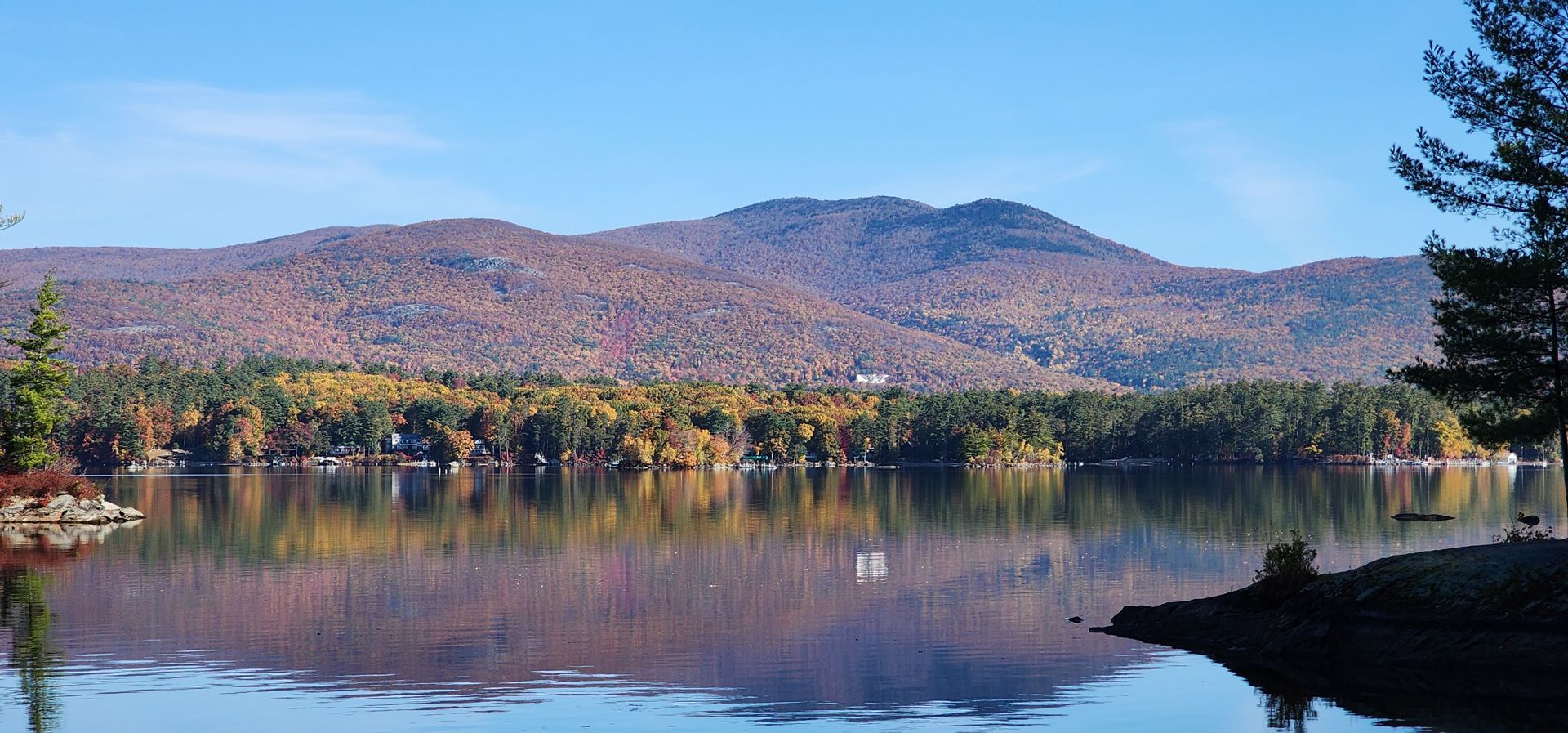
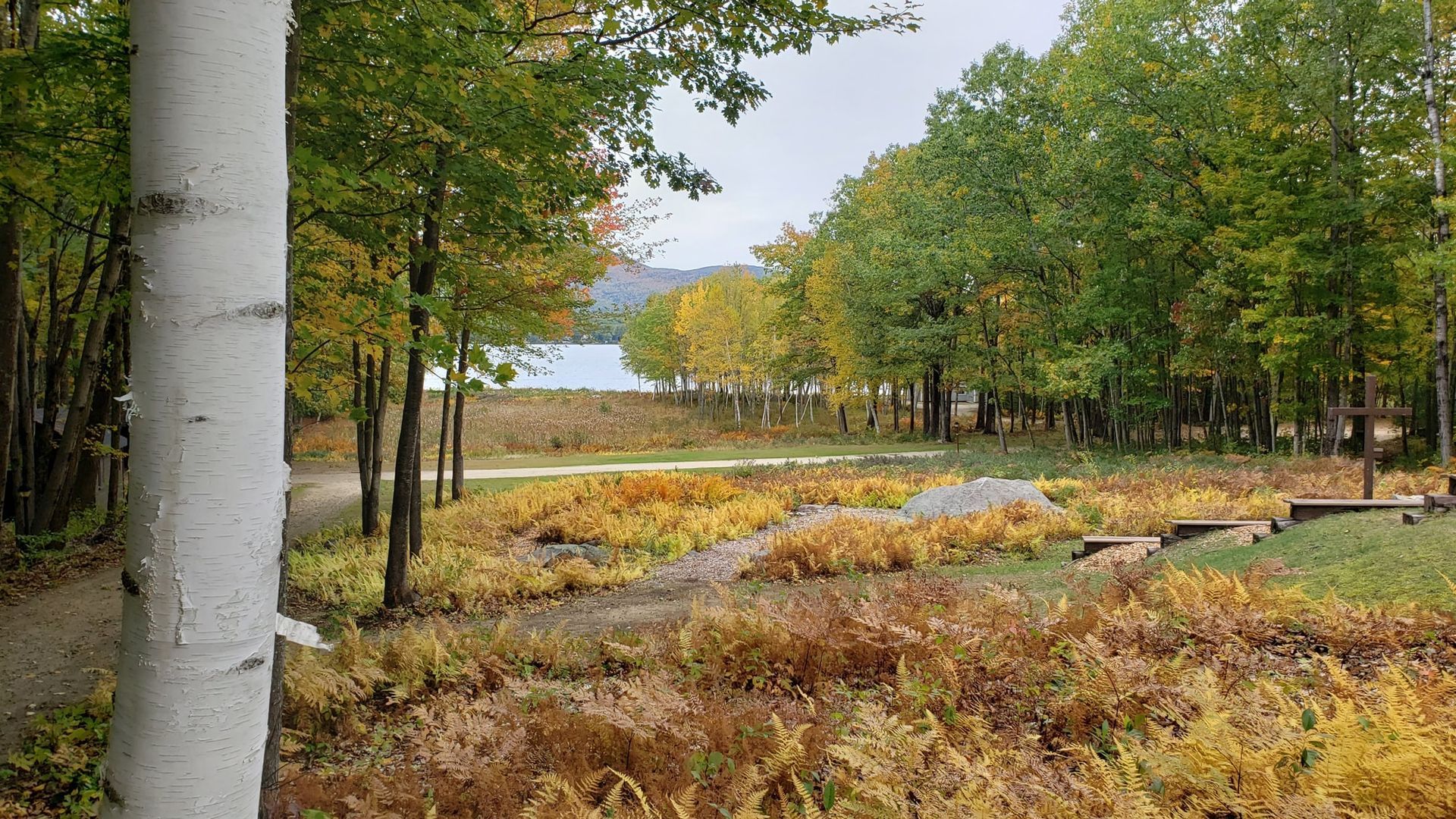
As a nonprofit retreat center in New England, Geneva Point Center has witnessed these principles in action for over a century. Situated on the shores of Lake Winnipesaukee and surrounded by 690 acres of protected forest, GPC offers something hotel ballrooms cannot: an environment that actively participates in your organization's transformation.
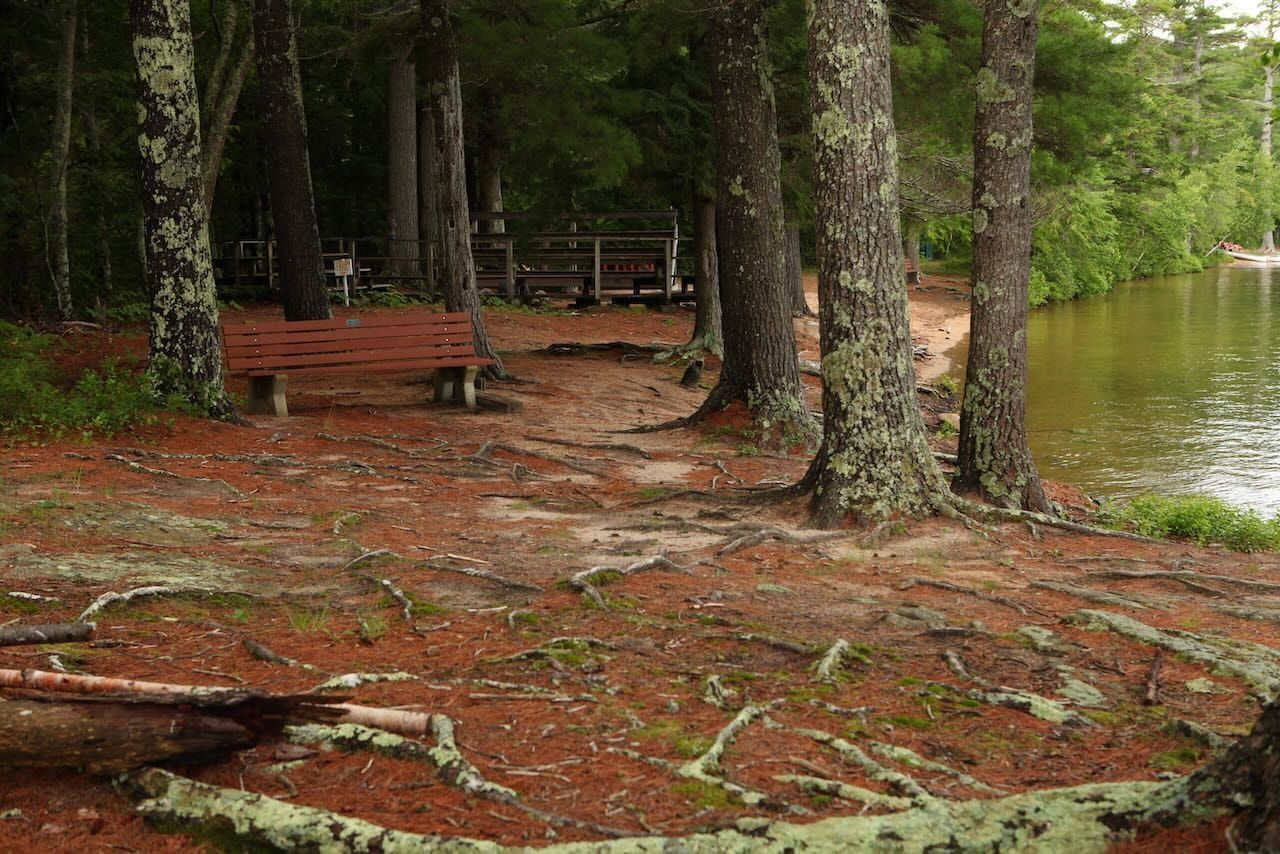
Morning planning sessions in the Pine Grove provide diffused forest light and natural acoustics that create focus without forcing it. One social justice nonprofit reported that their most contentious budget discussions—typically marked by defensive posturing—became genuinely collaborative when moved from their usual boardroom to outdoor seating under the pines.
Lakefront reflection time between intensive sessions allows the brain's default mode network to activate. This "productive mind-wandering" is when insights emerge, connections form, and individuals process complex information. A regional health foundation built mandatory 30-minute waterside walks into their retreat schedule and reported breakthrough solutions to challenges they'd been circling for months.
Seasonal immersion grounds planning in natural rhythms rather than fiscal quarters. A faith-based organization scheduled their annual visioning retreat for early October specifically to witness fall transition—using the forest's own transformation as a framework for discussing organizational change.
Real Retreat, Real Results
How Mission-Aligned Organizations Structure Transformative Offsites
Choosing a nature-based nonprofit retreat center in New England is only the first step. The structure of your time together determines whether you harness nature's benefits or simply import indoor meeting culture to an outdoor setting.
Here's a framework that maximizes the strategic advantage of places like Geneva Point Center.
The Arrival Transition (Often Skipped, Always Essential)
What it looks like: 30 to 60 minutes of intentional transition between arrival and formal sessions. This might include a guided walk, silent observation time by the water, or a brief grounding exercise in nature.
Why it matters: Your team arrives carrying the pace and preoccupations of their regular work. Diving immediately into strategic planning without transition brings those distractions into your retreat. Nature-based arrival rituals signal that we're in a different space now, where different thinking is possible.
The Rhythm of Immersion
Alternate intensive sessions with nature immersion, not as "breaks" but as integral parts of the thinking process. This includes 90-minute focused sessions with clear objectives, 30-minute nature immersion for processing through walking, lakeside sitting, or forest time, 60-minute working sessions applying insights from immersion time, and evening integration around a fire or waterfront gathering.
This rhythm honors how the brain actually processes complex information—through alternating focus and diffusion, not through marathon sessions powered by coffee and willpower.
Space Diversity for Session Diversity
Use the variety of natural settings intentionally. Intimate grove settings work perfectly for difficult conversations requiring psychological safety. Lakefront openness inspires big-picture visioning and expansive thinking. Fireside circles create the right atmosphere for storytelling, reflection, and meaning-making. Trail walks facilitate one-on-one check-ins and relationship building. Covered pavilions provide space for collaborative work sessions that need table space but not walls.
Mission-Specific Applications
For educational nonprofits, frame strategic planning sessions around experiential learning principles. Use nature observation as a metaphor for organizational development—what do seasonal cycles teach us about program evolution?
For faith-based organizations, integrate contemplative practices with strategic work. Morning meditation by the lake, afternoon visioning sessions, and evening theological reflection around shared questions create a holistic retreat experience.
For social justice organizations, use the accessibility and democratizing quality of natural spaces to flatten hierarchies. Circle formats under open sky naturally encourage more equitable participation than boardroom tables.
For environmental organizations, practice the mission while planning it. Hold carbon-neutral retreats that model the values you're strategizing to advance.
Addressing the "Yes, But..." Questions
Misconception: "Nature-based means unprofessional or informal"
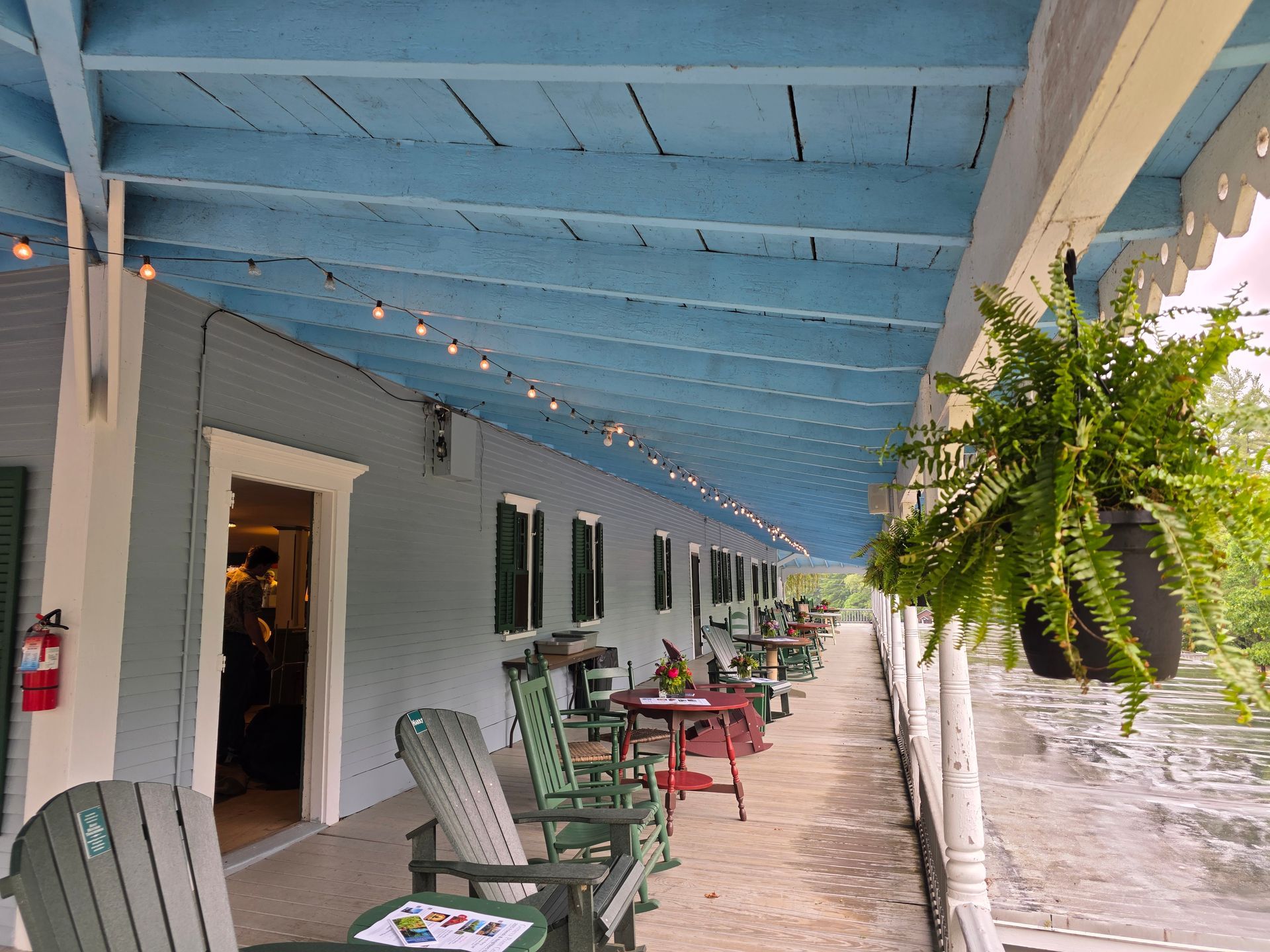
Reality: Geneva Point Center and similar nonprofit retreat centers in New England offer sophisticated meeting facilities integrated with natural settings—not rustic camping. You get professional AV capabilities in naturally-lit spaces, high-speed internet where you need it (and digital detox where you don't), comfortable accessible meeting areas designed for extended sessions, catering that matches your dietary needs and budget, and lodging options from private rooms to dormitory-style, depending on your culture.
The difference is that these amenities serve your gathering rather than define it. The focus remains on your mission and your people, not on impressing anyone with chandeliers.
Misconception: "Weather makes outdoor retreats too risky"
Reality: Experienced retreat centers design for New England's seasonality, not against it. Covered pavilions and open-air structures provide weather protection while maintaining connection to surroundings. Indoor spaces with expansive windows serve as weather alternatives without sacrificing natural light and views. Seasonal programming flexibility allows groups to adjust activities while maintaining nature immersion. All-weather trails and accessible outdoor areas keep nature connection possible year-round.
Smart retreat planning works with seasons rather than trying to eliminate their influence. A winter retreat isn't a compromised summer retreat—it's a different opportunity altogether, with unique gifts: contemplative quiet, stark beauty, and the metaphor of dormancy before renewal.
Misconception: "Our board members won't go for anything outside their comfort zone"
Reality: Resistance to nature-based retreats often comes from imagined scenarios—sleeping bags, outhouses, forced trust falls—rather than the actual experience of a professionally-managed nonprofit retreat center.
Reframing strategies include emphasizing outcomes over accommodations. "We're choosing a setting proven to enhance strategic thinking" beats "We're going to the woods." Offer pre-retreat site visits or virtual tours for anxious participants. Build in graduated nature exposure—nobody's required to hug trees or swim in the lake. Share testimonials from similar organizations who were skeptical and became converts.
Misconception: "It's too complicated logistically"
Reality: Retreat centers handle logistics so you don't have to. Geneva Point Center manages coordinated meal planning and dietary accommodations, meeting space setup and technology support, lodging assignments based on your group dynamics, activity coordination if you want guided experiences, and accessibility accommodations and transportation support.
Many groups find nature-based retreats less logistically complex than coordinating hotels, off-site catering, and separate activity venues. Everything happens in one integrated location designed specifically for gatherings like yours.
Conclusion: Rethinking What's Possible
The strategic planning retreat your nonprofit needs isn't hiding in the same hotel ballrooms where it's been held before. It's waiting in places where the environment itself becomes a participant in transformation—where morning mist over a lake reminds everyone that clarity emerges gradually, where forest trails demonstrate that different paths can lead to the same destination, and where seasonal change models the courage required for organizational evolution.
Geneva Point Center and other thoughtfully designed nonprofit retreat centers in New England offer more than venue alternatives. They offer a fundamentally different approach to mission-critical work: one grounded in natural rhythms, supported by environmental psychology, and validated by countless organizations who've experienced the difference firsthand.
Your next strategic planning session could unfold the way they always have—in spaces designed for efficiency and interchangeability, producing outcomes as forgettable as the beige carpet. Or it could happen in the pines, by the water, under changing skies, where your team remembers not just what you decided, but why your work matters and who you're becoming together.
The choice is yours, but the evidence is clear: nature-based settings don't just host retreats—they make transformation possible.
Ready to Experience the Difference?
Book your nonprofit's next strategic retreat at Geneva Point Center and discover what becomes possible when your planning environment matches the boldness of your mission. Contact our retreat coordinators to design a gathering that goes beyond the ballroom.
Geneva Point Center | Lake Winnipesaukee, New Hampshire
690 acres of possibility | Year-round programs for mission-driven organizations
Visit genevapoint.org to start planning your transformative retreat
More Articles from Geneva Point Center