Meaningful Rituals for Retreats: Circles & Ceremonies
The Foundation of Transformative Retreat Experiences
Meaningful rituals create sacred containers for transformation, established through intentional opening circles, closing ceremonies, and connection-building activities that invite participants into deeper levels of authentic sharing and personal growth. Unlike routine activities, these practices deliberately mark transitions between daily life and retreat space, fostering psychological safety where true transformation can unfold naturally.
Effective retreat rituals have been fostering deep human connection since ancient gathering traditions, spanning cultures from indigenous talking circles to modern mindfulness practices. Research in group dynamics shows that structured ritual activities reduce anxiety, increase feelings of unity, and create the team success that emerges when people feel genuinely seen and supported within a community.
Well-crafted rituals serve as emotional anchors that help participants transition from everyday life into retreat space and back again, creating a sense of sacred space that honors both individual journeys and shared experience. The liminal quality of retreats—that in-between space where old patterns can shift—requires intentional structure to create space for vulnerability while maintaining safety.
This guide provides concrete techniques and frameworks for designing rituals that create lasting bonds and meaningful connection, whether you're planning workshops for personal growth, corporate team building, or spiritual gatherings that nurture the whole person.
Core Elements of Connection-Centered Ritual Design
The primary purpose is to create psychological safety where authentic sharing and vulnerability can flourish naturally, establishing clear intentions and agreements that allow participants to be fully present without fear of judgment or misunderstanding. Effective facilitators understand that sacred space isn't about religious content but rather the deliberate creation of container where people agree to show up differently than in daily life.
Effective rituals honor the liminal space between ordinary consciousness and transformative experience through intentional transitions that mark entry into and exit from retreat time. This builds trust by providing predictable structure while maintaining enough flexibility for organic moments of deeper connection to emerge naturally.
Sacred elements include physical objects like candles, stones, and talking pieces that focus attention and create shared symbols, combined with symbolic actions such as hand-on-heart gestures and circle formations that engage the body in meaning-making. Verbal containers through community agreements and intention setting provide the framework for open dialogue while honoring each person's boundaries and comfort levels.
Inclusive design ensures every participant can engage meaningfully regardless of cultural background, physical ability, or spiritual beliefs, creating a low pressure way for everyone to contribute while respecting the right to pass or observe. This approach reduces stress by eliminating performance pressure while maximizing opportunities for authentic self discovery and meaningful connection.
Opening Circle Rituals That Set the Sacred Container
Land Acknowledgment and Grounding begins with honoring the physical space and natural world, followed by three minutes of silent connection to breath and earth that helps participants arrive fully present after traveling from their busy lives. This practice creates immediate connection to place while establishing respect for the environment that will support their journey.
Talking Circle with Sacred Object involves passing a meaningful item such as a carved stone, feather, or bell while each person shares their intention for the retreat, ensuring everyone's voice is heard without interruption. The physical act of holding and passing an object creates structure that builds trust by guaranteeing equal speaking time and establishing deep listening as a community value.
Community Agreements Co-Creation invites participants to collectively establish guidelines like "speak from I-statements," "honor confidentiality," and "embrace beginner's mind," fostering ownership of the group's safety and success. This collaborative approach to creating safe space generates buy-in and ensures the agreements reflect the actual needs of this particular group rather than imposed rules.
Name and Intention Round using the format "My name is [name], I come from [location/ancestry], and my heart's intention for this time together is [intention]" honors both individual identity and shared purpose. This structured reflection allows people to claim their space in the circle while contributing to a shared vision of what the group hopes to accomplish together.
Candle Lighting Ceremony where each participant lights a candle while stating one quality they bring to the circle such as courage, curiosity, or compassion creates visual and energetic focus for the gathering. The cumulative effect of individual lights joining together provides a powerful metaphor for how personal contributions combine to create something greater than the sum of its parts.
Closing Ceremony Frameworks for Integration and Farewell
Reflection Circle with guided prompts like "What will you carry forward?" and "How have you changed?" followed by witnessing without commentary provides structured reflection that helps integrate insights and experiences before returning to daily life. This practice ensures participants articulate their learning, which research shows increases retention and implementation of new perspectives.
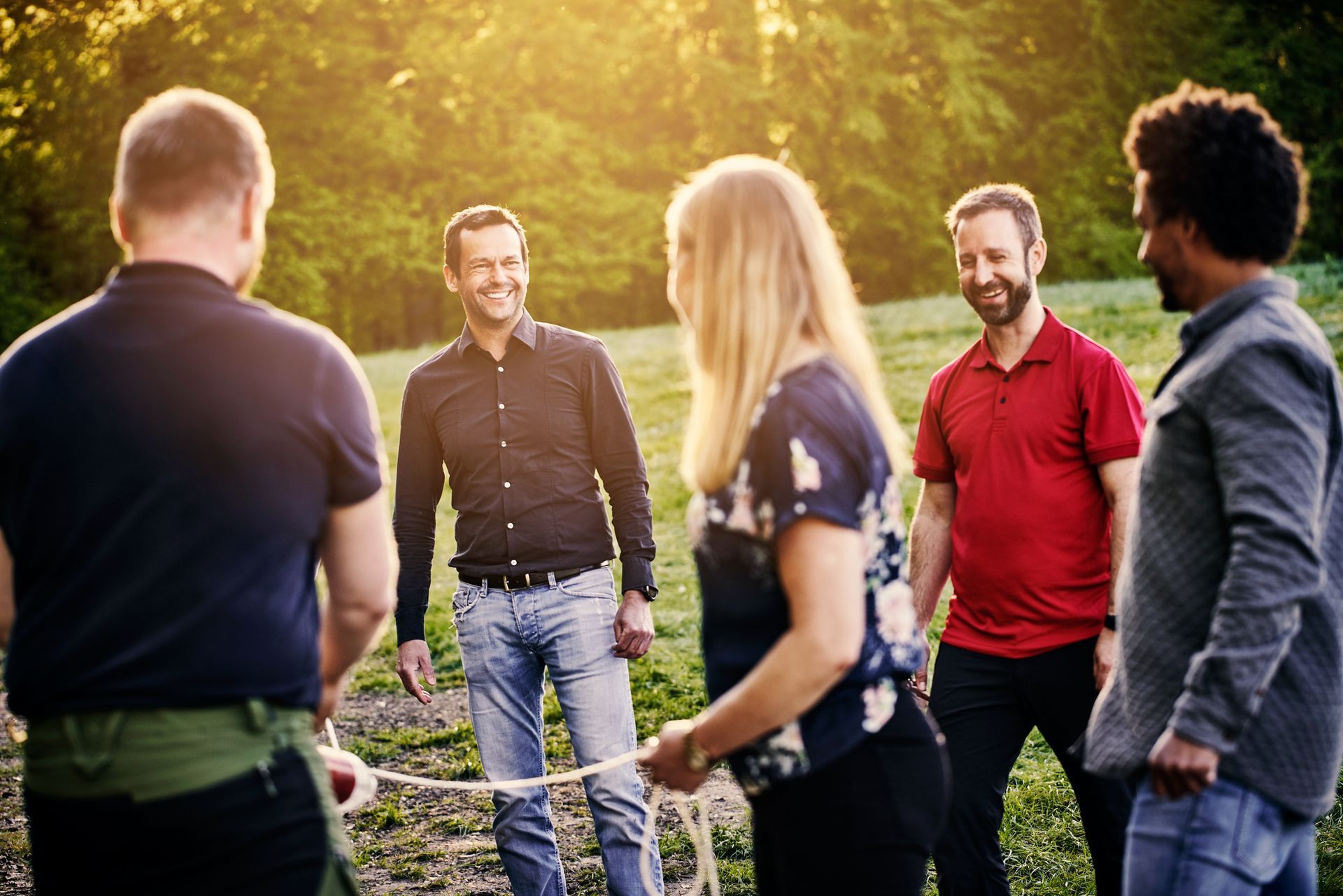
Gratitude Web where participants toss a yarn ball while expressing appreciation creates a physical symbol of interconnection that participants can see and touch as evidence of the bonds formed during their time together. The visual representation of relationship and mutual support provides ongoing inspiration for maintaining meaningful connection beyond the retreat setting.
Letter to Future Self writing exercise with sealed envelopes to be opened in three months includes commitments and insights from the retreat, creating ongoing support for implementing changes and maintaining growth mindset in post retreat life. This practice bridges the gap between retreat insights and daily application by creating accountability and encouragement for future challenges.
Blessing Circle where each person receives appreciation and encouragement from the group before departing ensures everyone leaves feeling seen, valued, and supported in their continued journey. This practice of mutual blessing creates a sense of completion while affirming the gifts each person contributed to the shared experience.
Sacred Object Return ritual where items from opening ceremony are gifted to participants as tangible reminders of their experience provides physical anchors for maintaining connection to retreat insights and relationships formed. These objects serve as touchstones for returning to the energy and intention cultivated during the gathering.
Group Activities That Deepen Connection and Trust
Story Medicine sessions using prompts like "A moment that shaped how I see the world" shared in pairs then reflected to larger group creates opportunities for vulnerable sharing in a low pressure way before opening to the full circle. This progression from intimate sharing to community witness helps especially those who are shy build confidence while ensuring meaningful stories reach the whole group.
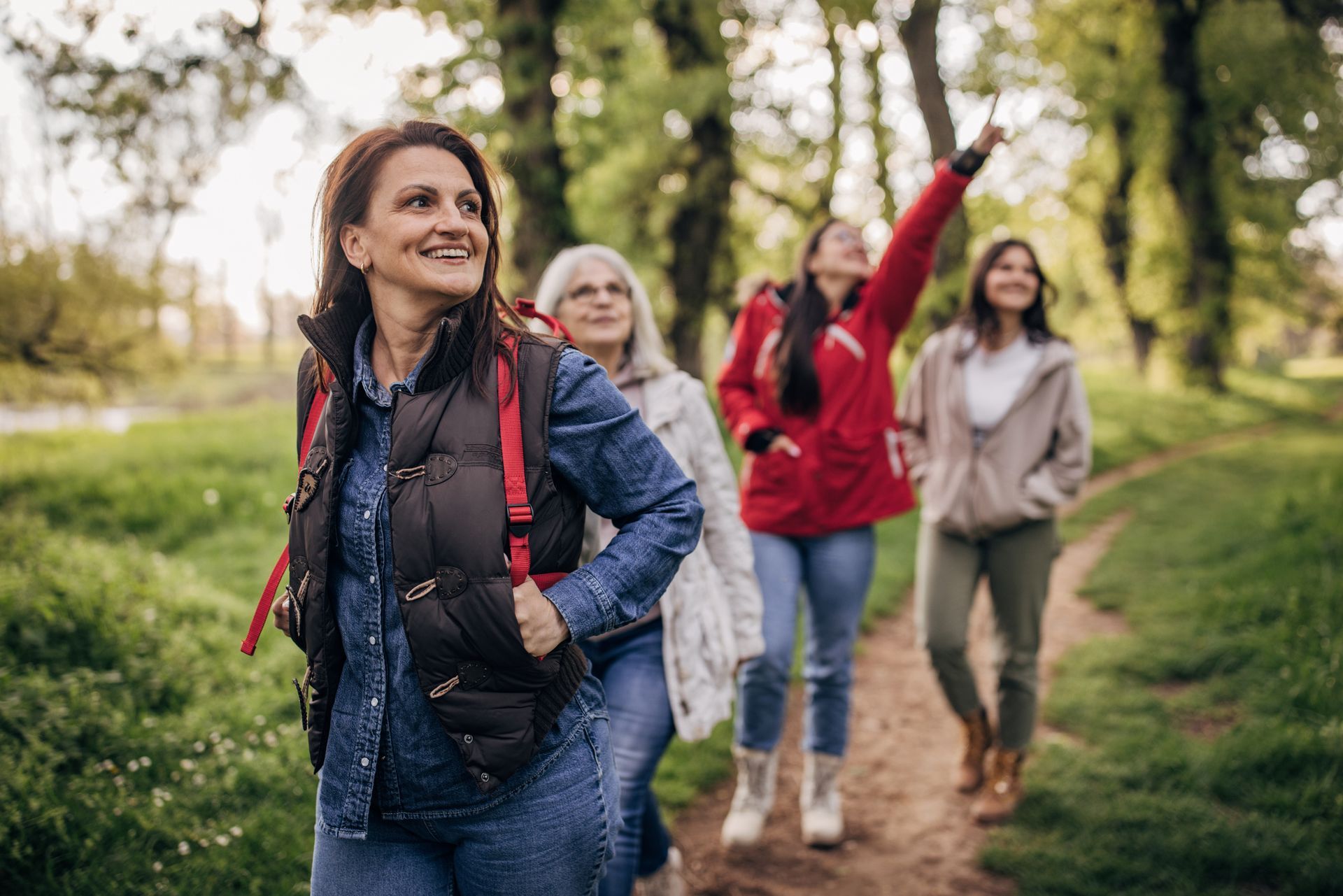
Walking Meditation partnerships beginning with 10 minutes of silent nature connection followed by deep listening conversation combines gentle movement with mindful presence and interpersonal bonding. The rhythm of walking together creates natural intimacy while the outdoor setting reduces the intensity that can sometimes overwhelm participants in more formal circle settings.
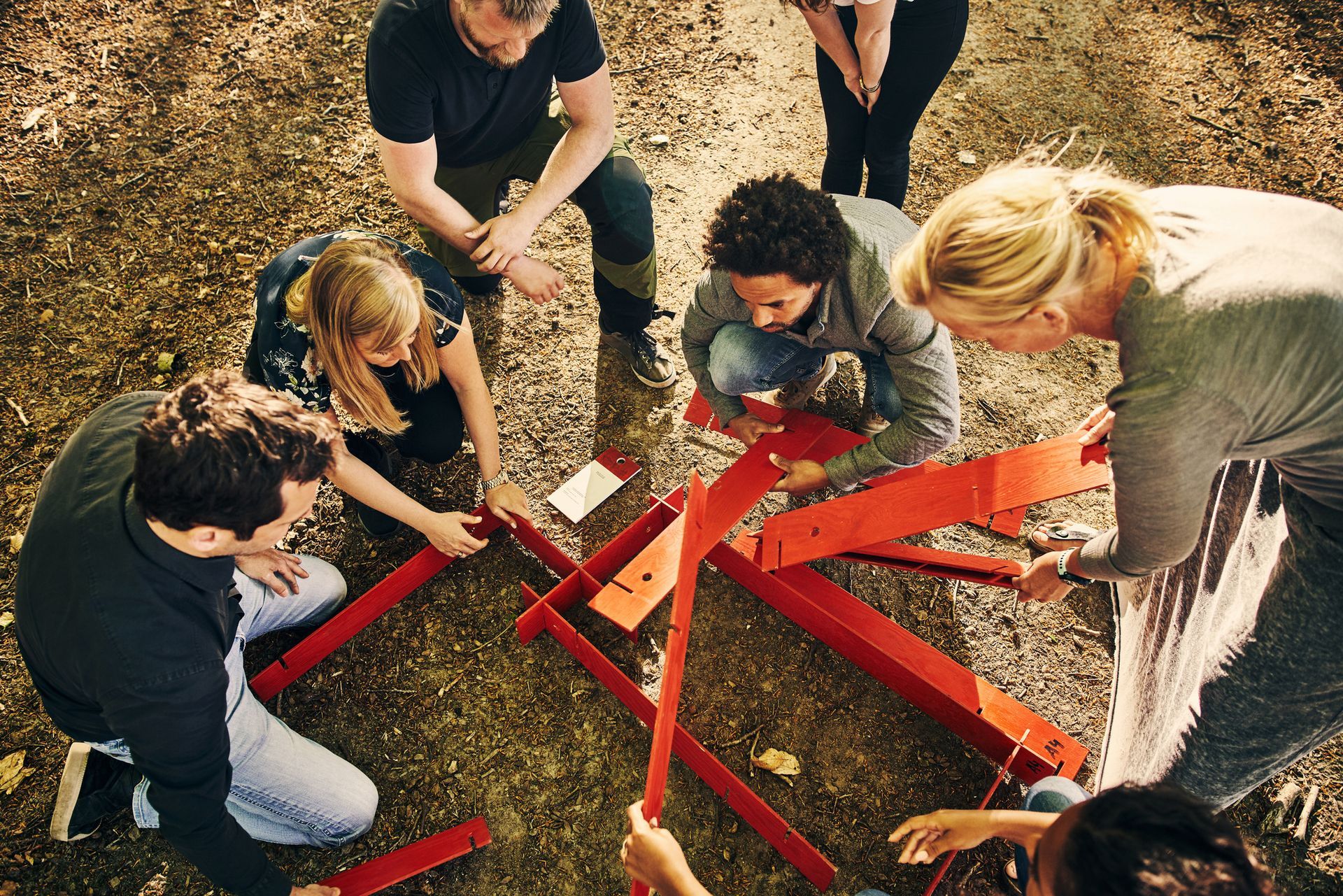
Creative Expression workshops including collaborative art-making, movement, or poetry writing bypass mental barriers and access different ways of knowing and sharing that honor multiple intelligences and learning styles. These immersive experiences often reveal insights and connections that purely verbal processing might miss, creating deeply meaningful shared creations.
Cultural Sharing Feast where participants bring meaningful foods and share stories about family traditions or heritage honors diversity while building appreciation for different backgrounds and experiences. This activity creates natural opportunities for learning about one another while celebrating the richness that different perspectives bring to the community.
Values Alignment mapping exercise reveals personal and collective principles through individual reflection and group synthesis, helping identify shared vision and common ground that can support future collaboration and connection. This skill building activity provides practical tools for navigating differences while maintaining respect and understanding.
Future Visioning ceremony using guided meditation and artistic expression explores shared dreams and commitments, creating collective inspiration for what participants might create together or individually after the retreat. This forward-looking focus helps participants see their retreat experience as beginning rather than ending, fostering ongoing support and collaboration.
Adapting Rituals for Different Retreat Types and Populations
Corporate wellness retreats benefit from structured activities like leadership storytelling circles and team values alignment ceremonies that build professional relationships while maintaining appropriate boundaries for workplace settings. These formats create space for personal sharing that enhances team success without crossing into therapy or overly intimate territory.
Spiritual and personal growth retreats thrive with deeper practices including silent meditation periods, ancestral honoring rituals, and shadow work circles that invite participants into profound self discovery and transformation. The extended time and explicit focus on inner work allows for more intensive practices that might feel overwhelming in shorter or more task-focused gatherings.
Women's retreats often incorporate moon ceremonies, goddess mythology, and sisterhood blessing rituals that honor feminine wisdom and create bonds specifically around shared gender experiences and challenges. These gatherings frequently include practices around rest and receiving that counter cultural messages about constant productivity and service to others.
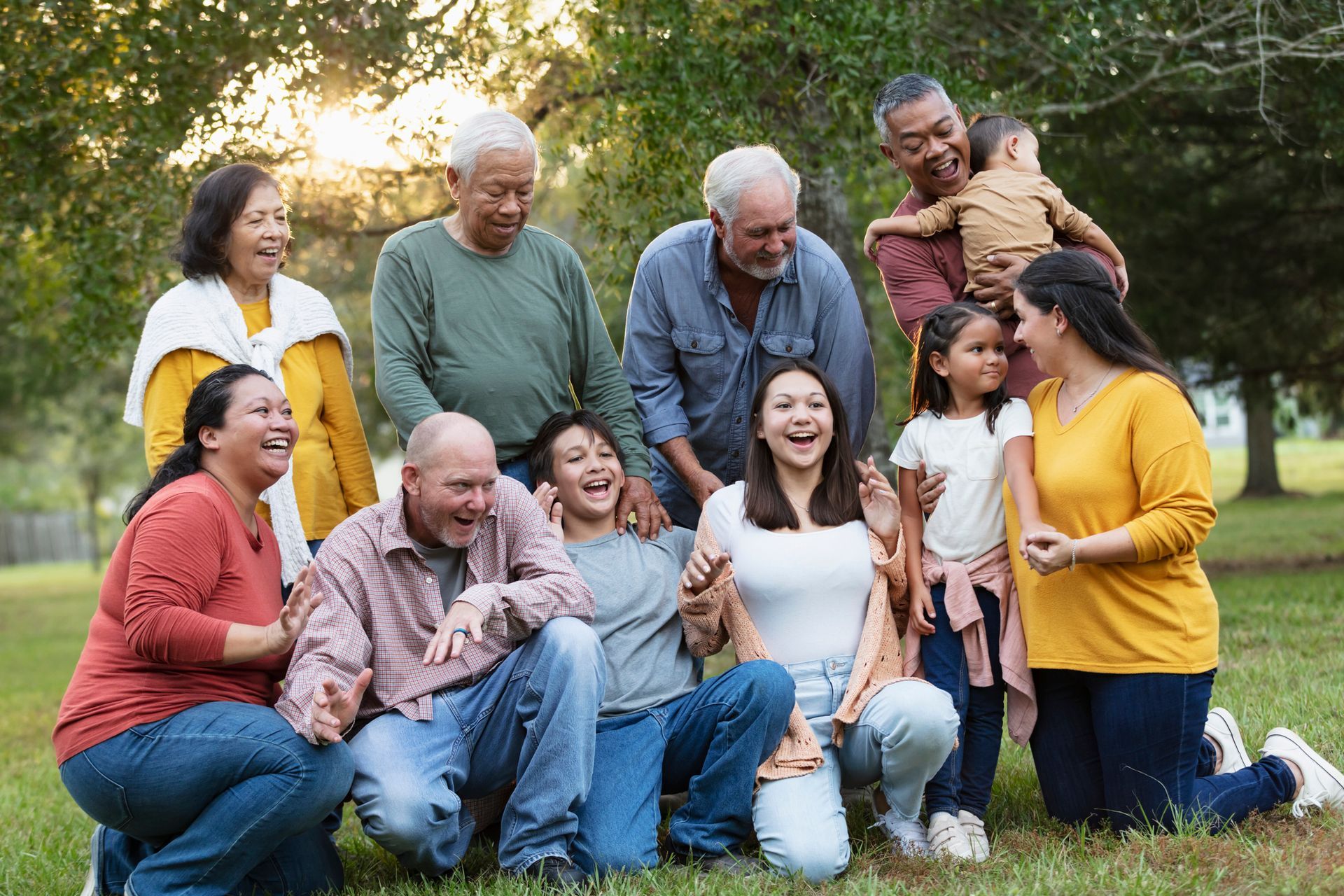
Youth and family retreats need active elements like nature scavenger hunts, campfire sharing circles, and intergenerational wisdom exchanges that honor different energy levels and learning styles while building meaningful connection across age groups. Free time and solo time balanced with structured activities helps accommodate varying needs for stimulation and quiet reflection.
Healing and recovery retreats require extra attention to trauma-informed practices, optional participation, and grounding techniques that honor participants' nervous system needs and emotional safety. Facilitators must be prepared to create low pressure environments where restorative practices take precedence over pushing for breakthrough or cathartic experiences.
Virtual retreat rituals adapt through breakout rooms, mailed sacred objects, and synchronized activities like simultaneous candle lighting that create shared experience despite physical distance. These formats require extra attention to clear instructions and technical logistics while finding creative ways to maintain the energy and intention of in-person gatherings.
Conclusion: Transform Your Next Retreat with Sacred Ritual Design
Meaningful rituals serve as the foundation for retreat experiences that create lasting transformation and genuine community bonds, providing structure that supports both individual growth and group cohesion in ways that casual gatherings rarely achieve. The careful attention to psychological safety, intention setting, and inclusive participation creates conditions where true connection and personal growth can flourish naturally.
The specific activities matter less than the intention, inclusivity, and authentic facilitation that honor each person's journey while maintaining focus on collective goals and shared vision. Whether you lead corporate workshops or spiritual gatherings, these frameworks provide flexibility to create deeply meaningful experiences that participants will remember and value long after returning to daily life.
Start with simple opening and closing circles, then gradually incorporate more elaborate ceremonies as your facilitation skills develop and you gain experience reading group energy and needs. Remember that continuous improvement in ritual design comes from observing what creates genuine presence and connection rather than what looks impressive or follows prescribed formulas.
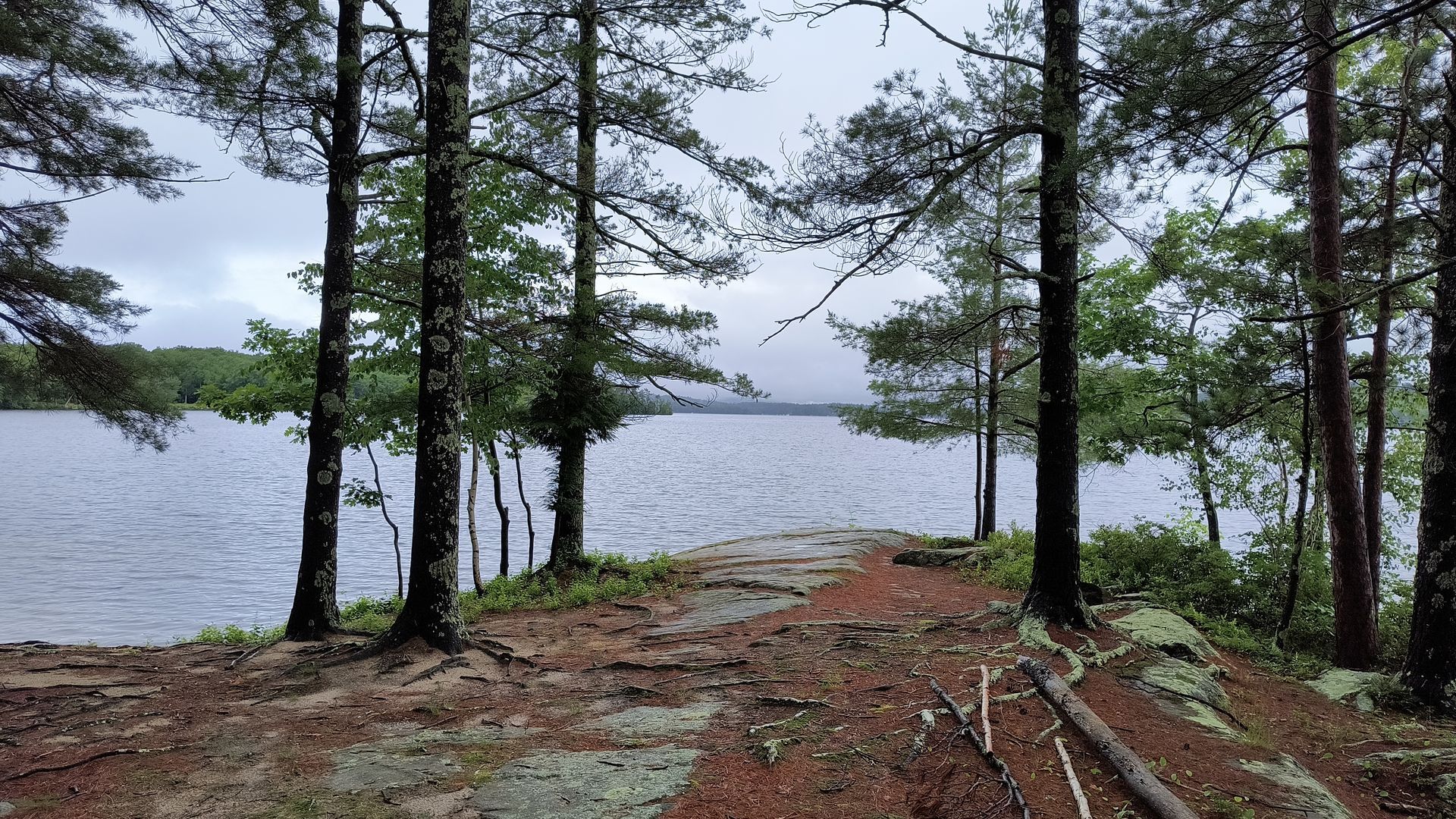
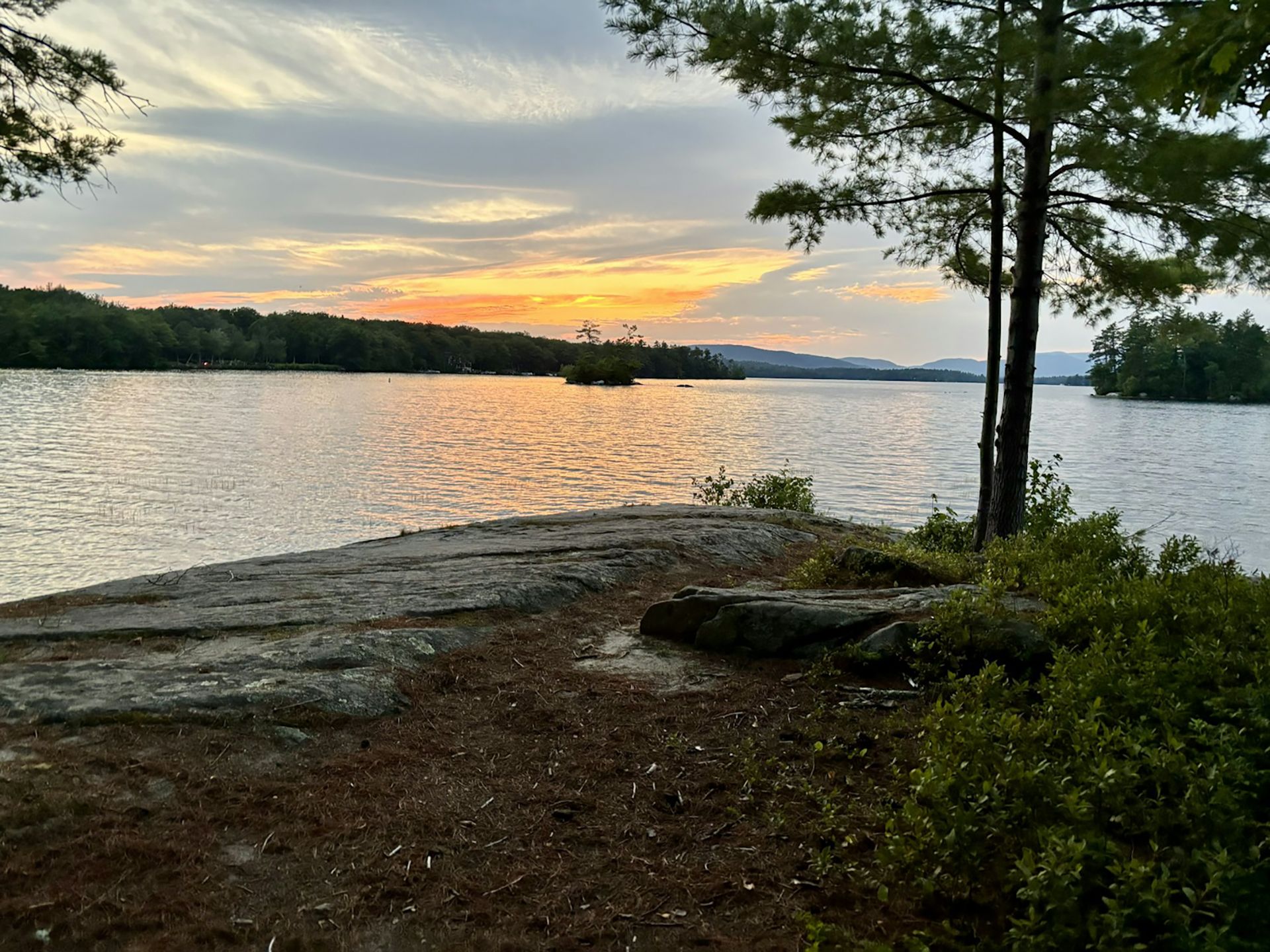
Consider partnering with experienced retreat centers like Geneva Point Center that understand the power of sacred space and can provide the natural world setting and logistical support your meaningful rituals deserve. Their 184-acre lakefront property in New Hampshire offers the perfect backdrop for immersive experiences that honor both individual transformation and community building. Visit https://www.genevapoint.org to explore how their historic venues, pristine natural setting, and retreat-friendly amenities can enhance your next transformative gathering with the right venue for creating lasting impact and true transformation.
More Articles from Geneva Point Center