How Nature Immersion Reduces Burnout: The Science Behind Outdoor Retreats
Burnout isn't a mindset problem. It's a physiological one. And the growing body of research on nature immersion suggests that the environment where people recover matters as much as the time they're given to do it.
For HR leaders and wellness coordinators evaluating retreat options, this distinction is worth understanding before you book a venue. The difference between a hotel conference package and a nature-based retreat isn't just aesthetic — it may be neurological.
What Burnout Actually Does to the Brain and Body
The World Health Organization classifies burnout as an occupational phenomenon — not a medical diagnosis, but a recognized state resulting from chronic workplace stress that hasn't been successfully managed. Its three defining markers are exhaustion, growing mental distance from work, and reduced professional effectiveness.
What's less commonly discussed is what's happening biologically.
Chronic stress keeps the body's sympathetic nervous system — the fight-or-flight system — in a state of persistent activation. Cortisol levels stay elevated. Sleep quality deteriorates. The prefrontal cortex, which governs decision-making, focus, and impulse regulation, becomes less effective. People in burnout often describe feeling simultaneously wired and depleted, which isn't a contradiction — it's an accurate description of a nervous system that can't downshift.
The implication for recovery is significant: if the environment doesn't trigger genuine downregulation of the stress response, the rest doesn't actually restore. People return from a long weekend no less depleted than when they left.

The Attention Restoration Theory: Why Nature Works Differently
In the 1980s, psychologists Rachel and Stephen Kaplan developed what became known as Attention Restoration Theory (ART). Their framework distinguishes between two types of attention:
Directed attention is what we use for focused cognitive work — reading, analyzing, decision-making, sustained concentration. It is effortful and fatiguing. Prolonged use without recovery leads to what the Kaplans called directed attention fatigue — a state that looks remarkably like the cognitive symptoms of burnout.
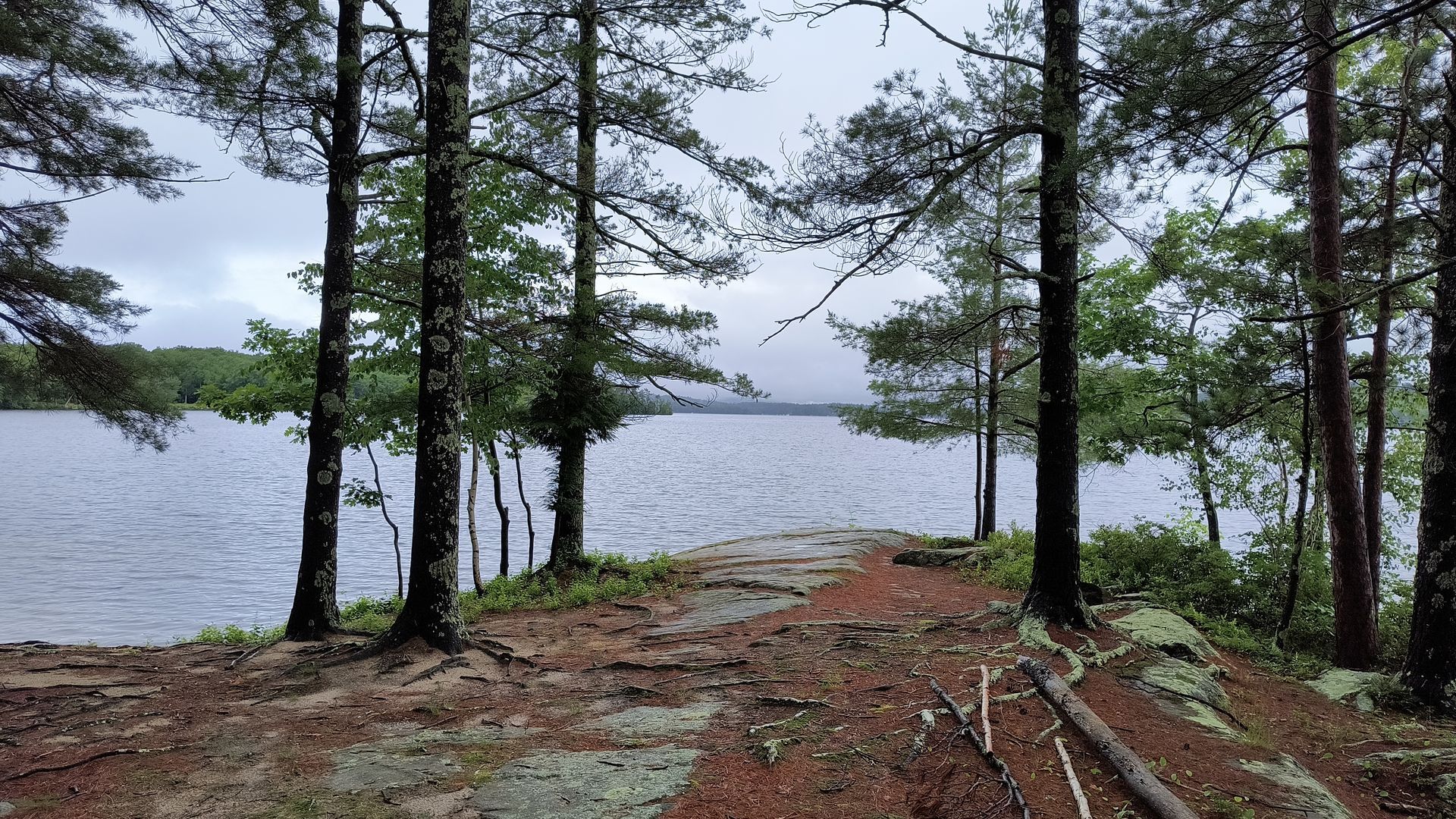
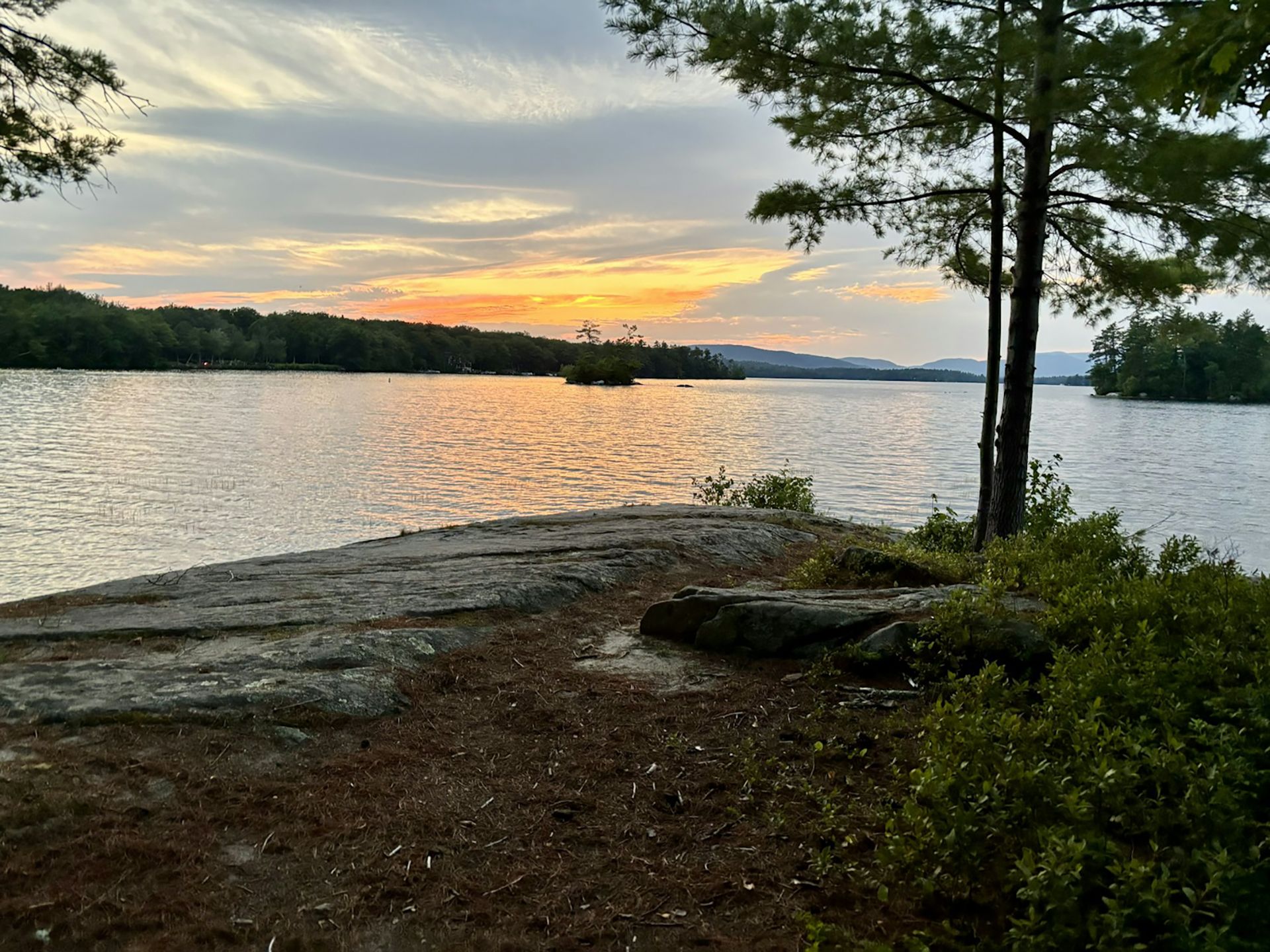
Involuntary attention is what natural environments engage effortlessly. The flicker of light through leaves, the movement of water, the irregular geometry of trees — these capture attention without requiring effort. The mind follows without being directed.
Natural environments, the Kaplans argued, allow directed attention to rest and recover while involuntary attention remains engaged. This is why a walk in the woods often produces a different quality of mental rest than sitting in a quiet room or lying on a couch watching television — both of which can still involve some degree of directed attention.
Subsequent research has supported and expanded the framework. A landmark 2008 study published in Psychological Science found that a 20-minute walk in a natural setting improved performance on attention-demanding tasks compared to walking in an urban environment. The effect held for participants both with and without attentional difficulties.
Stress Physiology and the Natural Environment
Parallel to ART, a body of research has examined what natural environments do to stress physiology directly.
Japanese researchers studying shinrin-yoku — forest bathing, or the practice of spending time in forested environments — have produced some of the most extensive physiological data in this area. Studies conducted by Dr. Qing Li and colleagues at Nippon Medical School found that subjects who spent time in forested areas showed measurable reductions in cortisol, lower blood pressure, reduced pulse rate, and higher scores on mood measures compared to control groups who spent equivalent time in urban settings.
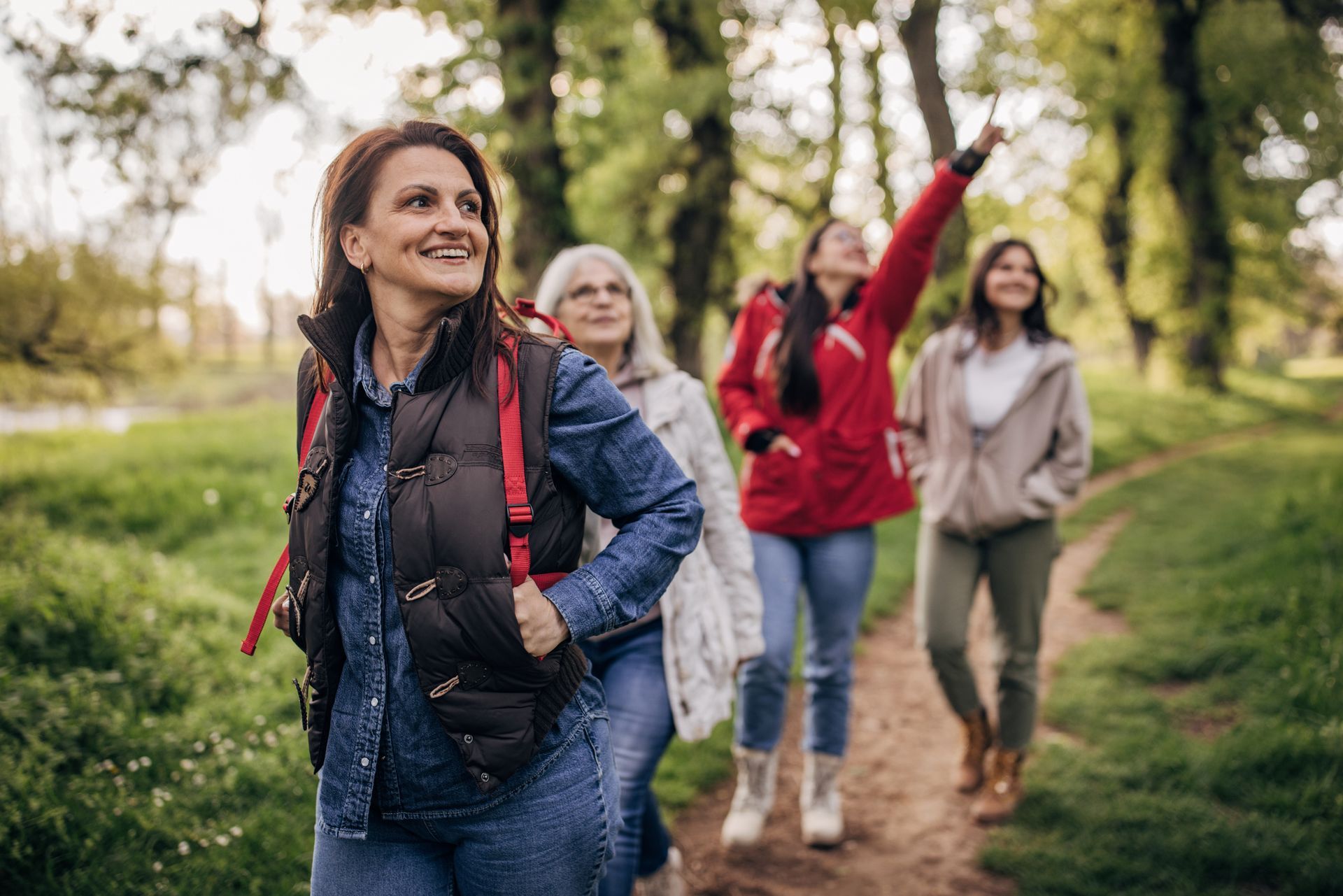
Importantly, these effects were not dependent on physical exertion. Participants who simply walked slowly or sat quietly in forest environments showed similar physiological changes to those who were more active. The environment itself — not the exercise — appeared to be the active variable.
A separate line of research examined the role of phytoncides, volatile organic compounds released by trees. Exposure to phytoncides has been associated with increased activity of natural killer (NK) cells — a component of the immune system — as well as reduced anxiety and improved sleep. While this research is still developing and the mechanisms aren't fully established, the pattern across multiple independent studies suggests the natural environment produces measurable biological effects that indoor environments do not.

What This Means for Retreat Design
The research doesn't just support taking people outside. It has implications for how outdoor retreats should be structured to maximize recovery and cognitive restoration.
Unstructured time in natural settings matters. Back-to-back programming in a beautiful outdoor facility still depletes directed attention. Recovery requires periods of open, unscheduled time where people can walk, sit by water, or simply look at trees. These aren't wasted hours — they're doing measurable neurological work.
Duration matters more than intensity. Short bursts of nature exposure produce short-term benefits. The research on more sustained immersion — 24 to 72 hours in natural settings — suggests compounding effects on cortisol reduction, mood, and cognitive performance. A one-day retreat at a natural venue will produce some benefit. Two or three days produces meaningfully more.
Screens undermine the effect. Directed attention required for device use appears to partially counteract the restorative benefit of natural environments. This doesn't mean a device-free policy is always practical or appropriate, but it does suggest that even informal encouragement to step away from screens during unstructured time is backed by evidence.
Physical separation from the workplace is not optional. Multiple studies confirm that proximity to familiar work cues — even the same city — maintains background activation of work-related stress responses. This is one reason why off-site retreats at natural facilities tend to produce different results than on-site wellness days or urban hotel packages. The distance itself is part of the intervention.
Explore the retreat options at Geneva Point Center to understand how different program formats — from day events to multi-night stays — can be structured around these principles.
The Business Case: Why HR and Wellness Leaders Should Care
The organizational case for investing in nature-based retreats doesn't rest on intuition alone.
A 2021 report from the American Institute of Stress estimated that workplace stress costs U.S. employers more than $300 billion annually through absenteeism, diminished productivity, healthcare utilization, and turnover. Burnout specifically — as distinct from general stress — is associated with significantly elevated turnover risk. Employees experiencing burnout are roughly 2.6 times more likely to be actively seeking a new job, according to Gallup research on employee engagement.
Against that backdrop, the cost of a well-designed nature-based retreat looks different. For a team of 20 employees, a two-night retreat at a dedicated facility typically runs between $4,000 and $12,000 all-in, depending on location and included services. That figure is small relative to the cost of a single mid-level employee departure — which the Society for Human Resource Management estimates at 50–200% of annual salary — and smaller still relative to the productivity loss associated with teams operating in a state of chronic low-grade burnout.
The strongest case, though, is neither the cost comparison nor the scientific literature in isolation — it's what happens to team cohesion, candor, and creative thinking when people are genuinely restored. Those outcomes are harder to quantify and easier to observe.

What to Look For in a Nature-Based Retreat Venue
Not every facility that uses nature in its marketing is designed to support actual restoration. When evaluating venues for a wellness-oriented or burnout-recovery retreat, consider the following:
Access to unstructured natural space. Does the property have open land, trails, or waterfront where participants can spend time independently — not just as part of organized activities? Free-range access matters.
Separation from urban environments. As noted above, physical distance from the work environment supports the neurological shift the research describes. Venues within city limits or adjacent to commercial development provide a different quality of environmental contrast than rural lakeside or forested properties.
Overnight capacity. Day trips to natural environments produce real but limited effects. Multi-night stays in a natural setting produce compounding effects on stress physiology and cognitive restoration. If your group can stay, they should.
Quiet. Ambient noise levels in natural settings contribute to the restorative effect. A property adjacent to a highway or flight path partially counteracts the benefit of the surrounding landscape.
Flexibility in programming. A venue that can support structured sessions in the morning and genuinely unscheduled afternoons gives you the scheduling flexibility to build recovery time into the program design.
For groups considering corporate or educational retreats, these criteria are worth using as a checklist when comparing venues.
Frequently Asked Questions
Is there scientific evidence that outdoor retreats reduce burnout specifically?
The direct research on outdoor retreats as a burnout intervention is still developing, but the underlying evidence base is substantial. Multiple well-replicated studies demonstrate that natural environments reduce cortisol, lower blood pressure, improve mood, and restore directed attention capacity — all of which are compromised by burnout. The research on forest bathing, Attention Restoration Theory, and stress physiology converges on the same conclusion: natural environments produce physiological changes that indoor environments do not. Whether a specific retreat is labeled a "burnout intervention" is less important than whether it is designed to allow genuine recovery to occur.
How long does someone need to spend in nature to experience a measurable benefit?
The research shows benefits beginning quickly — some studies report measurable changes in cortisol and heart rate within 20 to 30 minutes of entering a natural environment. More significant and lasting effects appear to require longer exposure. Studies on multi-day nature immersion suggest that the largest restorative effects are observed after 48 to 72 hours in a natural setting. For practical retreat planning, this supports the case for two-night minimum stays rather than single-day programs when the goal is meaningful recovery.
Does the type of nature matter — forest, lake, mountains?
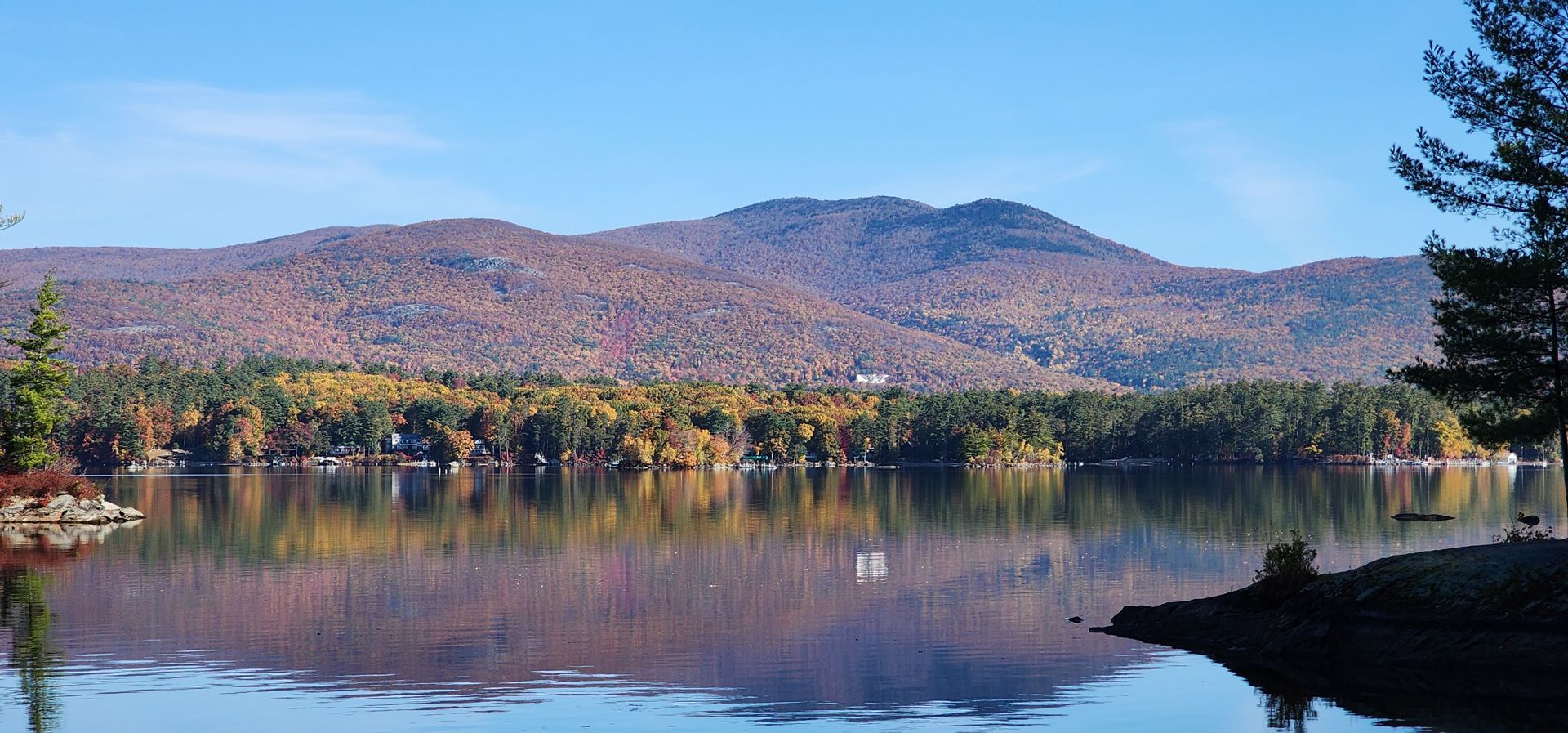
Research suggests that most natural environments produce restorative effects, though the quality and consistency of evidence varies. Forested settings have the most extensive research base, particularly from the Japanese shinrin-yoku literature. Waterfront environments also show strong associations with stress reduction — a phenomenon some researchers call the "blue mind" effect, referencing the psychological response to proximity to water. For retreat planning purposes, a setting that combines water access and forested land appears to offer the broadest range of environmental benefits.
Can nature-based retreats help teams, not just individuals?
Yes, and the group dimension may be particularly important. Burnout has a well-documented social component — chronic stress degrades trust, reduces candor, and increases interpersonal friction within teams. Nature-based settings tend to lower social defenses, facilitate informal conversation, and create shared experiences that rebuild relational trust. Many organizations find that team cohesion outcomes from outdoor retreats are as significant as the individual wellness benefits, though this is harder to measure and study rigorously.
What's the difference between a wellness retreat and a standard corporate offsite?
The distinction is primarily one of intent and design. A standard corporate offsite typically centers on work deliverables — strategic planning, goal setting, problem-solving — with the location as backdrop. A wellness retreat prioritizes recovery, restoration, and individual wellbeing, often including unstructured time, nature access, and reduced screen use. The most effective retreats for burned-out teams often blend both: structured morning programming followed by unscheduled afternoons in natural settings, with evening social time that is informal and optional. The venue selection for both formats should support the activity, which is why a lakeside campus with both indoor meeting spaces and extensive outdoor access is often more versatile than either a hotel or an exclusively outdoor facility.
Conclusion
The science on nature immersion and stress recovery is consistent enough to inform organizational decision-making. Natural environments do measurable things to the human nervous system that indoor environments do not — reducing stress hormones, restoring depleted attention, and improving mood. These effects aren't dramatic or instantaneous, but they are real, replicable, and relevant to the question of where and how organizations invest in employee recovery.
For HR leaders and wellness coordinators, the practical implication is straightforward: venue choice is not a neutral decision. A nature-based retreat facility — particularly one that offers multi-night stays, access to water and forested land, and space for genuinely unscheduled time — creates physiological conditions for recovery that a hotel conference package cannot replicate.
The research tells you why that matters. Your team's performance after a well-designed outdoor retreat will show you whether it worked.
About Geneva Point Center
Geneva Point Center is a nonprofit camp and conference facility located on Lake Winnipesaukee in Moultonborough, New Hampshire. The center hosts corporate retreats, wellness programs, educational events, faith-based gatherings, and family reunions on 200 acres of forested lakeside property. Information on programs, accommodations, and group event planning is available at www.genevapoint.org.
More Articles from Geneva Point Center