How to Choose the Right Retreat Center in New Hampshire: 10 Questions to Ask Before You Book
Choosing a retreat center is one of the most consequential decisions a group leader can make. Get it right, and everything else — the agenda, the facilitation, the outcomes — has room to succeed. Get it wrong, and even a well-planned program can fall flat.
New Hampshire's Lakes Region and surrounding areas offer dozens of options, from small bed-and-breakfast-style properties to large conference complexes. That variety is useful, but it also means the decision requires thought. This guide gives you 10 practical questions to ask any retreat center before you sign a contract — so you can compare options clearly and book with confidence.
1. Does the Setting Match the Purpose of Your Retreat?
This is the first question, because everything else depends on it.
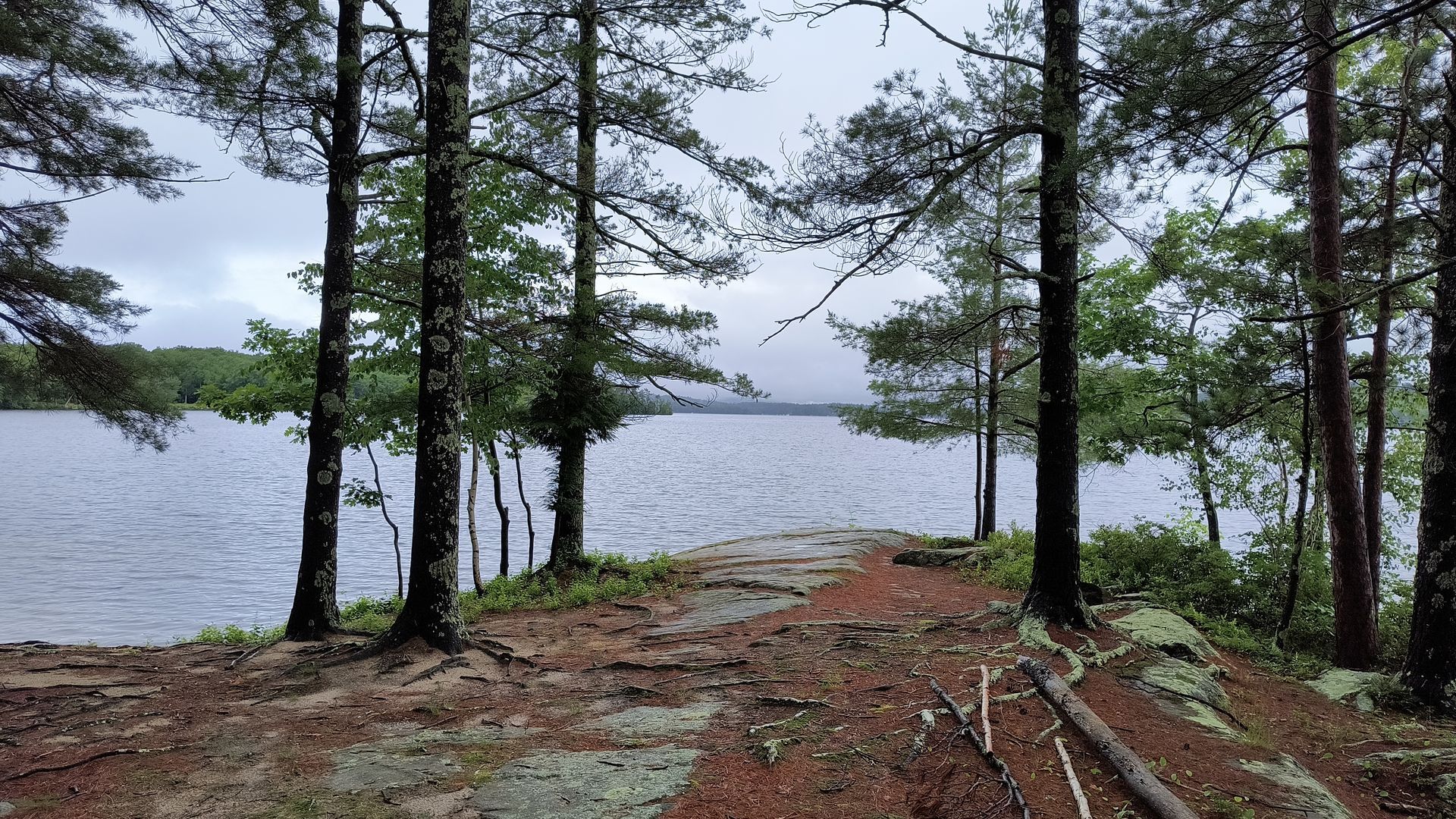
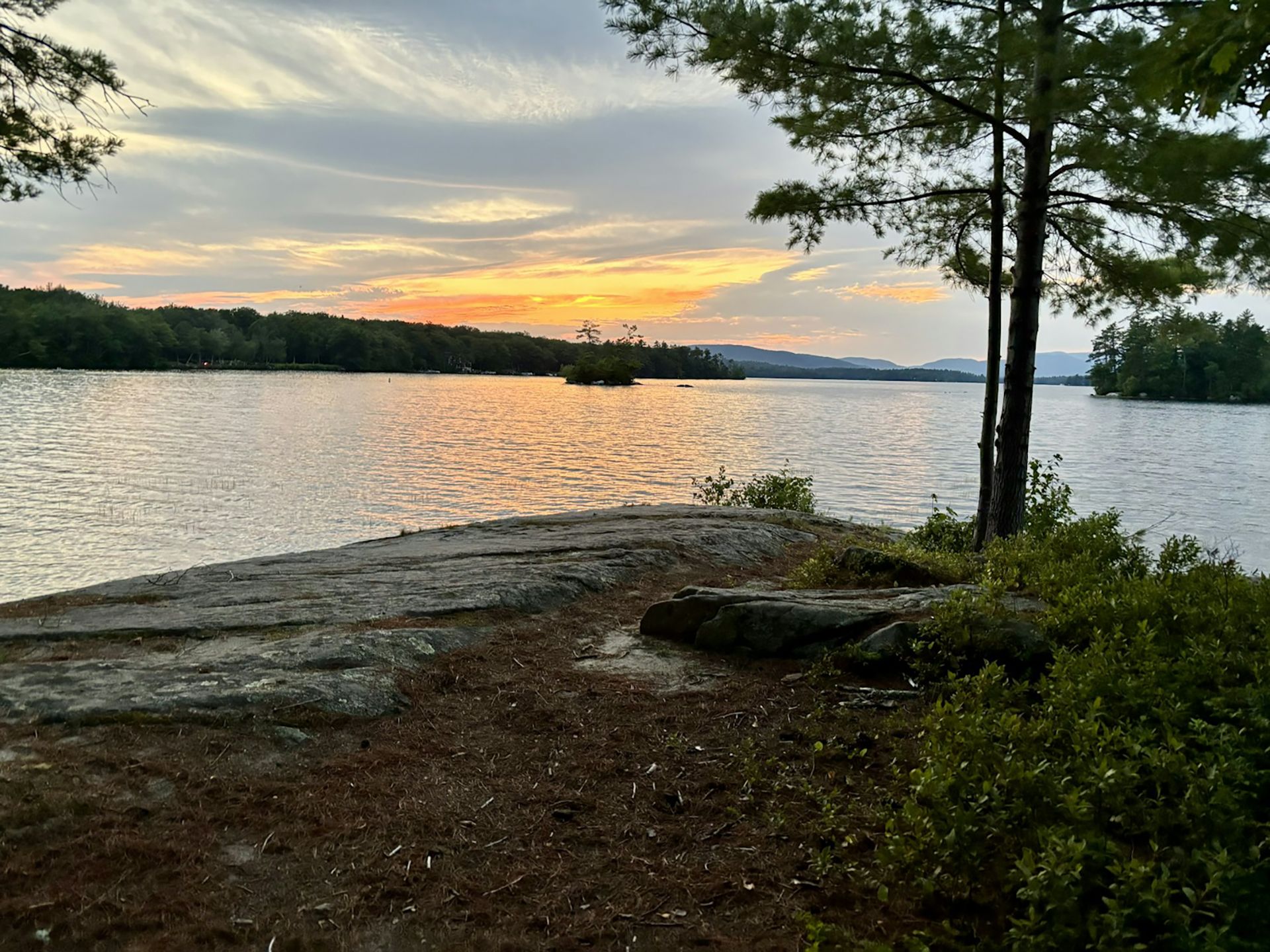
A leadership team trying to break out of routine thinking needs a different environment than a congregation seeking quiet reflection. A youth group needs different amenities than a nonprofit board. Before evaluating any specific center, be honest about what kind of setting will help your group shift modes — from the distraction of daily life into the focused, open mindset that makes retreats work.
Consider whether your group benefits from being near water, in the woods, or on open land. Research suggests that natural environments can reduce stress and support mental clarity, though the right setting is ultimately specific to your group's goals and culture.
2. What Are the Actual Accommodation Options?
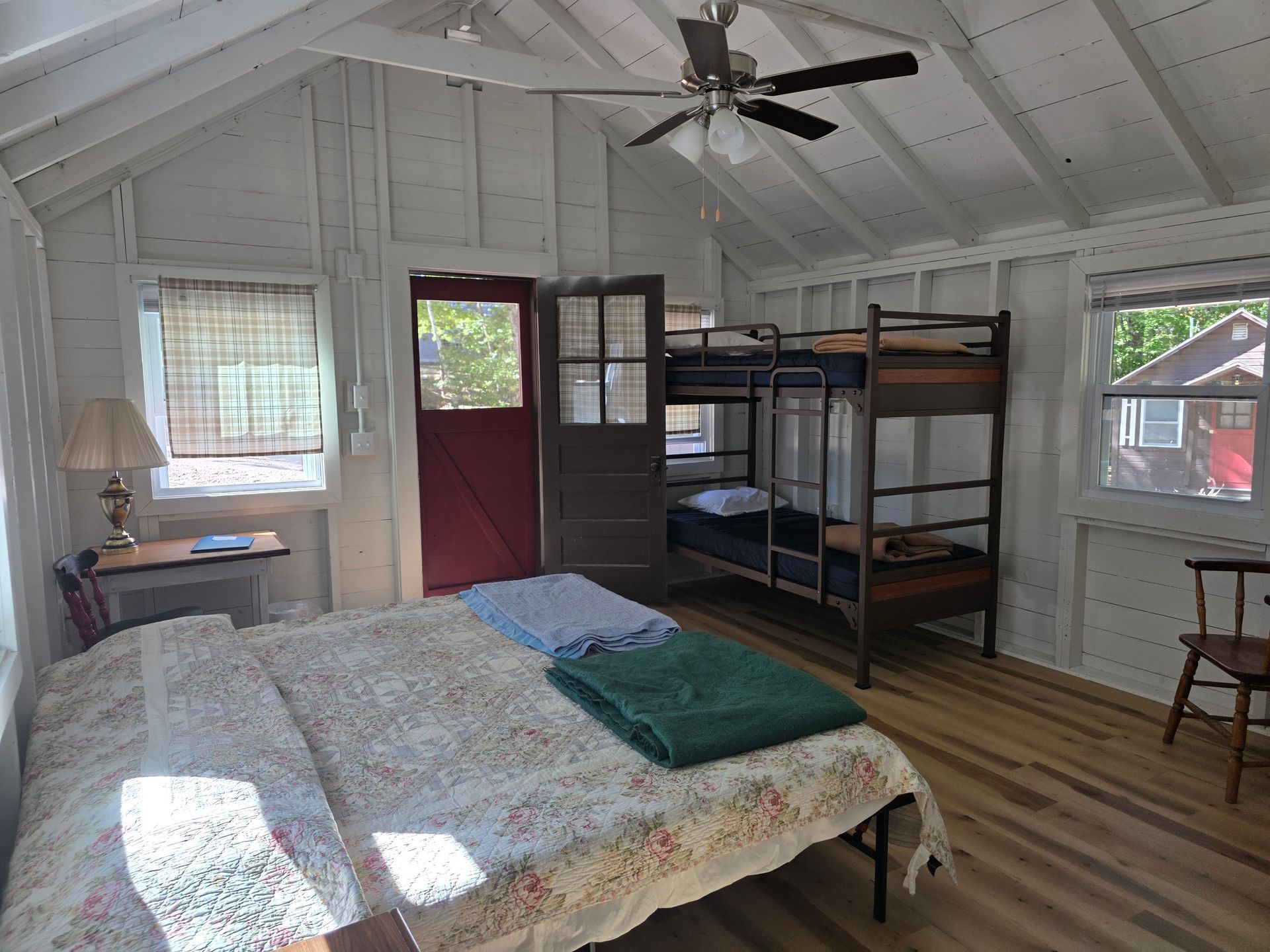
Many retreat centers advertise capacity numbers without clearly communicating the range and quality of their sleeping arrangements. Before you book, ask:
- Are rooms private or shared?
- Are there options for different group configurations (families, couples, singles)?
- What do the bathrooms look like — shared hallways or en suite?
- Is there climate control?
The answer to these questions affects both cost and group comfort significantly. A group of senior executives has different expectations than a youth ministry team, and a good retreat center will have options that can accommodate both. Review the housing and accommodations carefully — room configurations, shared vs. private facilities, and proximity to meeting spaces all matter more than most planners realize until they arrive.
3. What Meeting Spaces Are Available, and How Flexible Are They?
Retreat centers vary widely in their meeting infrastructure. Some have a single large hall with fixed seating. Others offer multiple configurable rooms, outdoor gathering areas, and breakout spaces that can be arranged to support different facilitation styles.
Ask specifically:
- Can tables and chairs be rearranged, or are rooms set in a fixed configuration?
- Is there natural light in the meeting rooms?
- Are there outdoor spaces that can be used for group activities or sessions?
- What AV equipment is available, and is there reliable Wi-Fi?
The answers reveal a lot about how adaptable the facility really is. Explore the meeting facilities in detail — photographs often don't show room scale, ceiling height, or the flexibility of the setup.
4. What Is Included in the Rate?
Retreat pricing varies widely in what's actually included. Some centers quote a base rate that excludes meals, AV equipment rental, linens, and facility fees.
Others offer an all-inclusive daily rate that covers everything.
Ask for an itemized breakdown:
- Are meals included? How many, and what style (buffet, plated, cafeteria)?
- Are linens and towels provided, or should guests bring their own?
- Is there a facility or setup fee separate from the room rate?
- What is the cancellation and deposit policy?
Total cost is rarely the headline number. The actual cost is the headline number plus everything else — which is why it's worth getting a full picture before comparing centers side by side.
5. How Experienced Is the Staff With Your Type of Group?
A retreat center that primarily hosts corporate conferences may not have the experience or infrastructure to support a youth camp or a faith-based gathering. And a center focused on summer family camps may not be equipped to support a board strategy session.
Ask the center what types of groups they typically host, and whether they've worked with organizations similar to yours. This isn't about finding a specialist — it's about assessing whether the staff will understand your group's rhythm, flexibility needs, and communication style.
6. What Outdoor and Recreation Options Exist?
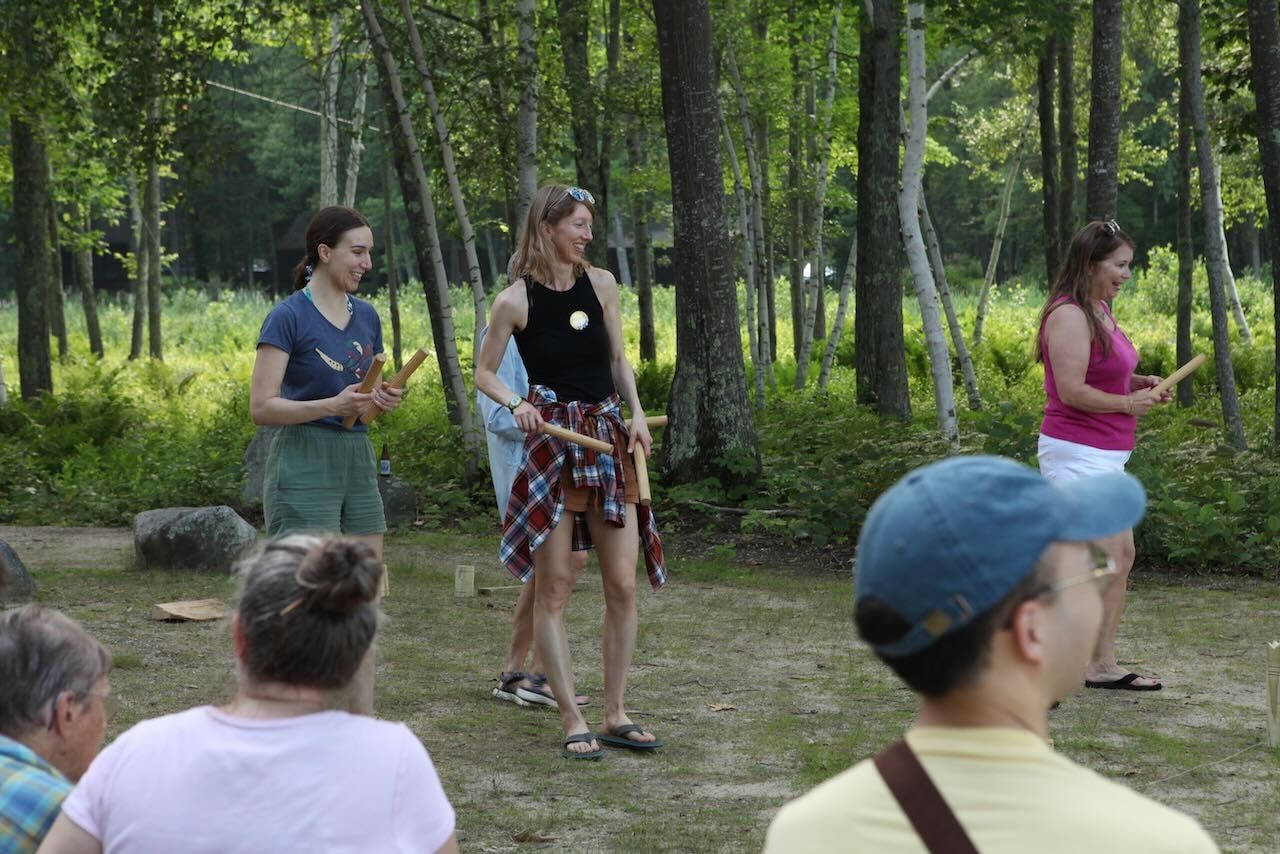
For many groups, the outdoor environment is the whole point of leaving the office. Even for groups focused primarily on indoor programming, outdoor recreation options matter — for breaks, for team-building activities, and for the general atmosphere.
Ask what's available and what requires advance scheduling:
- Are watercraft (kayaks, canoes) available for use?
- Are there maintained trails for hiking or walking?
- What happens in poor weather — are there contingency plans for outdoor activities?
- Are there open fields or covered outdoor spaces for group games?
Some retreat centers charge extra for recreation access that's implied to be standard. Clarify this in advance. You can review recreation options to understand what's available by season and what is typically included for groups.
7. How Far Is It From Where Your Group Is Traveling?
Distance is a practical constraint, but it also affects the quality of the retreat experience. A two-hour drive from a major metro can feel like a significant departure from routine — which, for many groups, is exactly the point. A five-hour drive may create logistics that eat into the retreat itself.
For groups based in New England, New Hampshire's Lakes Region is accessible from Boston (approximately two hours), Hartford, Portland, and most of the Northeast. Factor in:
- Where the majority of attendees are traveling from
- Whether participants will drive or carpool
- Whether shuttle or transportation arrangements are needed
- Whether early arrival is possible if people are coming from farther away
Distance is a feature as much as it's a logistic. Many planners find that just enough distance creates the psychological shift that makes a retreat feel genuinely different from a long staff meeting.
8. What Is the Policy on Outside Food, Vendors, or Facilitators?
Some retreat centers operate as fully closed systems — meals are exclusively from their kitchen, all programming goes through their team, and outside vendors require approval or are prohibited. Others are open to working with external facilitators, caterers, or vendors.
If your group works with a regular leadership coach, has dietary requirements that require specialty catering, or uses a specific event production team, you need to understand the center's policy before you commit.
This question also reveals a lot about how collaborative the staff will be. Centers with flexible policies tend to communicate well and adapt to your group's needs. Those with rigid vendor restrictions may also be rigid in other ways.
9. What Does a Typical Day Look Like for a Group Your Size?
This question reveals how well the center can actually support your group's programming — not just in theory, but in practice. Ask the center to walk you through a hypothetical day:
- When is check-in?
- When and where are meals served?
- How are transitions between meals and sessions typically handled?
- Are there quiet hours or shared space policies with other groups?
Many retreat centers host multiple groups simultaneously. Understanding how space and time are shared — and whether your group will have dedicated areas or rotating access — is critical for planning.
10. Is the Center Mission-Aligned With Your Group's Values?
This question isn't asked often enough, and it matters.
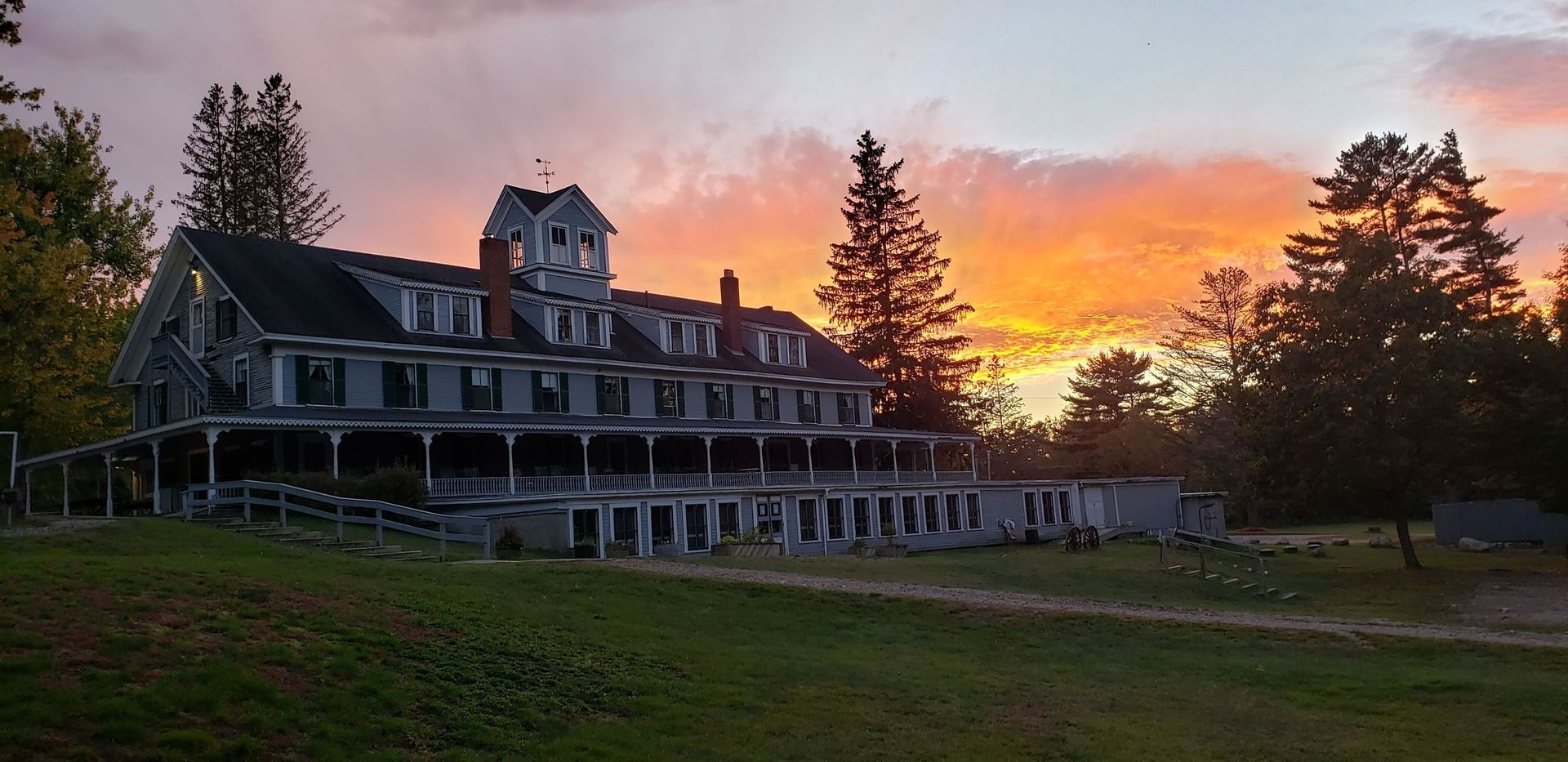
Some retreat centers are purely transactional — a facility, a rate, and a contract. Others have an institutional identity that shapes how they operate: their environmental stewardship practices, their community history, their organizational mission. For groups where values alignment matters — faith-based organizations, nonprofits, educational institutions — working with a center that shares your orientation often makes coordination easier and the overall experience more coherent.
This is worth a direct conversation with the center's leadership before booking. Ask what the center stands for, who founded it and why, and what they consider a successful retreat. The answers tell you a lot about what kind of partner you're hiring.
Frequently Asked Questions
What's the difference between a retreat center and a hotel conference room?
The practical differences are significant. Retreat centers are designed for multi-day group experiences — they typically include overnight accommodations, meals, outdoor space, and informal gathering areas that hotels often lack. A hotel conference room is designed for daytime meetings with minimal programming around them. Retreat centers create an environment where participants can fully disconnect from their daily routines, which tends to support deeper focus and more open conversation. The physical separation from normal surroundings is often a deliberate part of the retreat design.
How far in advance should I book a retreat center in New Hampshire?
Popular retreat centers in New Hampshire's Lakes Region can fill up six months to a year in advance, particularly for summer and fall dates. If your dates are flexible, you may find availability with less lead time — but for groups larger than 30 people, or for specific high-demand weekends, earlier is safer. Corporate and nonprofit groups often plan annual retreats 9–12 months out. Family groups and faith communities tend to work on shorter timelines, though shoulder seasons (spring and late fall) offer more flexibility.
What should I ask about meal service before booking a retreat center?
Ask whether meals are included in the room rate or billed separately, how many meals are provided per day, and whether the kitchen can accommodate dietary restrictions (vegetarian, vegan, gluten-free, allergies). Also ask about meal timing — whether mealtimes are flexible to fit your schedule, or whether the center operates on fixed times that all groups follow. Meal logistics have a significant impact on how smoothly a retreat flows.
Are retreat centers in New Hampshire available year-round?
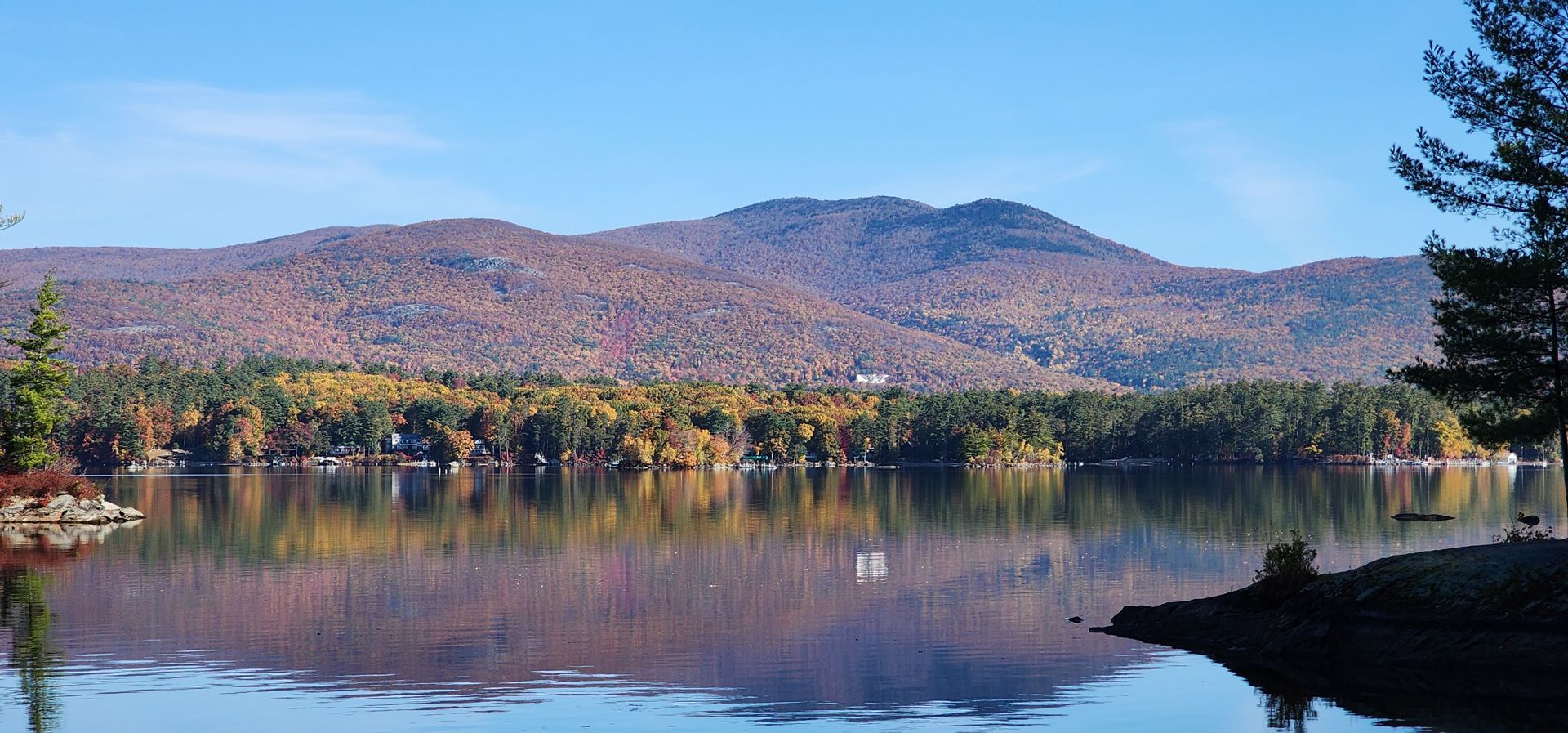
Many are, though programming and pricing vary by season. Summer (July–August) is typically the most in-demand period, with fall foliage weekends (late September through October) a close second. Winter and early spring offer quieter dates and sometimes lower rates. Each season offers a different character — fall foliage, quiet winter landscapes, spring greenery — and some groups specifically plan around the seasonal experience.
How do I evaluate whether a retreat center is the right size for my group?
Start with a headcount and a program format. If your retreat involves plenary sessions, breakout groups, and social time, you need a center with enough space to support all three simultaneously. Ask the center what their minimum and maximum comfortable capacity is — not just the absolute maximum. A center that comfortably hosts up to 80 people will feel very different if you bring 78 versus 40. Also consider the ratio of meeting space to sleeping accommodations — some centers have excellent dining and meeting facilities but limited overnight capacity, or vice versa.
Conclusion
Choosing the right retreat center comes down to honest questions and specific answers. The 10 questions above will help you move past the promotional photography and evaluate what a facility actually offers your group — in terms of space, staff, logistics, and alignment with your goals.
The best retreat centers aren't just venues. They're partners in what you're trying to accomplish. The time you invest in evaluation before you book is time you won't spend managing problems during the retreat itself.
About Geneva Point Center
Geneva Point Center is a nonprofit conference and camp facility on Lake Winnipesaukee in Moultonborough, New Hampshire. Established in 1919, the center hosts corporate retreats, educational programs, faith-based gatherings, family reunions, and community events. Information on programming, accommodations, meeting facilities, and event planning is available at www.genevapoint.org.
More Articles from Geneva Point Center